- Have any questions?
- +86 15953537010
- admin@wepower-electronic.com

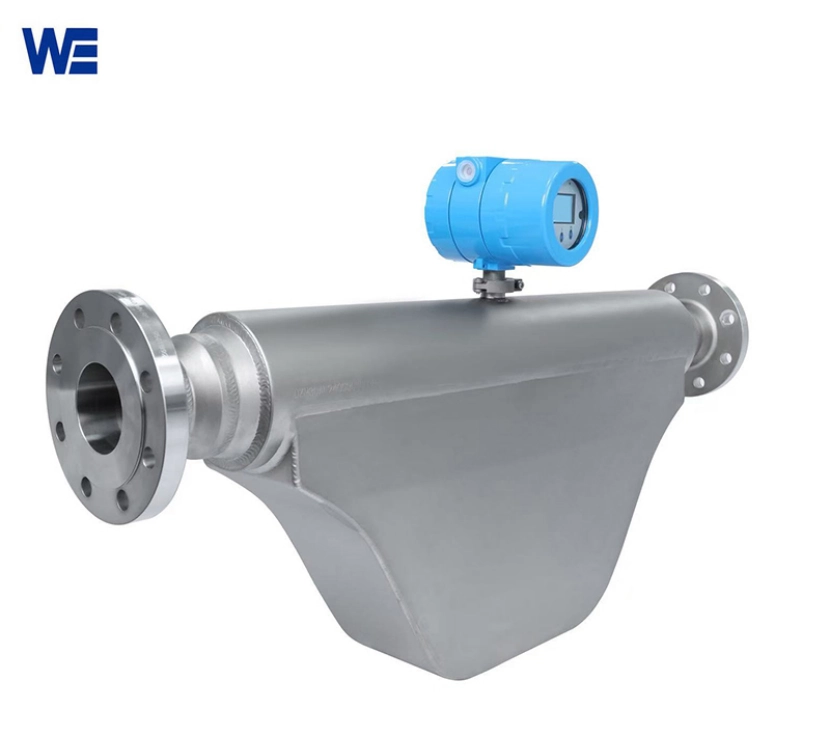
In today’s industries, accurate flow measurement is essential to process control. Knowing the precise volume of material flowing through a system increases productivity, improves safety, and reduces costs in industries like energy handling and chemical manufacture. Mass flow meters shine as one of the most dependable tools for this accuracy. They gauge the true mass of a fluid, not just its volume. This approach delivers steady outcomes no matter how temperature or pressure shifts.
What Is a Mass Flow Meter?
A mass flow meter serves as a device that tracks the mass rate of fluid passing through a pipe. Volumetric flow meters, on the other hand, assess the space a fluid takes up. But mass flow meters focus on the quantity of substance that goes by a specific spot each unit of time. This difference matters a lot. Volume can vary with heat or force changes, yet mass stays the same.
Many operators in petrochemical or pharmaceutical setups rely on this for steady product quality. They use accurate mass-based dosing. By measuring mass flow, you sidestep errors tied to density. Plus, it offers clear views into how well processes run.
The Working Principle of Mass Flow Meters
The mass flow meter working principle draws on basic physical rules. These rules link movement or energy shifts to the quantity of material on the go. You have two chief groups: direct and indirect ways to measure.
Direct types, such as Coriolis flow meters pick up mass by noting forces from fluid action in shaking tubes. Indirect approaches figure out mass from volume info, adjusted for density and heat shifts.
Traits like density, thickness, and how much a fluid compresses impact the results a great deal. So, sensors usually build in fixes for temperature and pressure. This keeps things precise amid varying conditions.
Key Components and Design Features
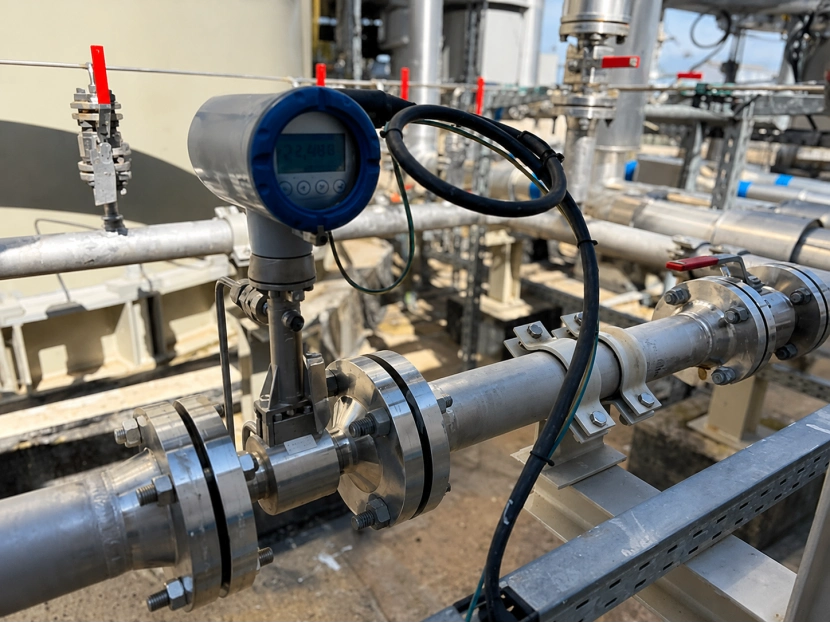
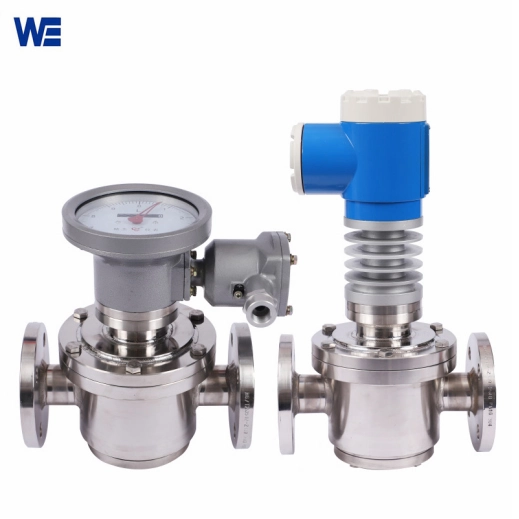
Each mass flow meter has three main pieces:
- Sensorsthat spot motion or heat shifts from the flowing fluid.
- Transmittersthat turn sensor signals into standard outputs, like 4–20 mA or digital links.
- Flow tubesbuilt to direct fluid smoothly into the sensing zone.
Choosing materials hinges on the setup. Stainless steel works well for harsh chemicals. Titanium suits clean processes. Hastelloy handles hot gases. Newer versions add digital processing to cut out noise. They also link easily with control systems such as PLCs or DCS setups.
Types of Mass Flow Meters and Their Characteristics
Various technologies fit specific needs. Grasping their basics lets engineers pick the best option for the task.
Coriolis Flow Meters
Coriolis flow meters gauge mass straight through the Coriolis effect. That’s the twist moving fluid faces in a shaking tube. As fluid flows past in these oscillating tubes, it causes a clear time lag tied to its mass flow rate.
These tools offer top-notch accuracy, often within ±0.1%, for both liquids and gases. They suit tasks like transferring ownership or mixing batches. Still, their complex build means higher upfront prices. You might need regular upkeep too, since they react to shakes or deposits in the tubes.
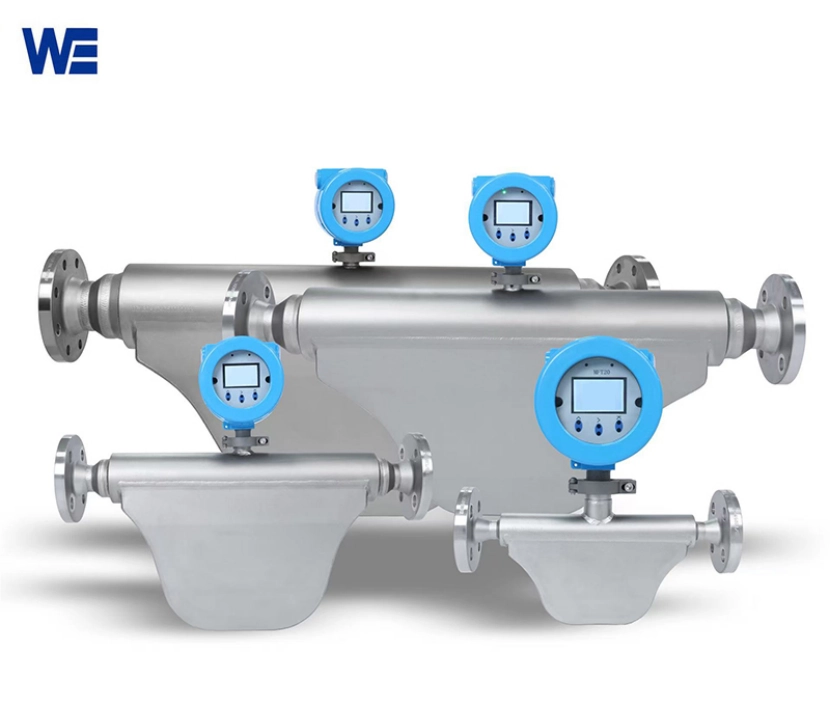
Mass Flow Density Meter
Mass flow density meter pairs density checks with flow detection to work out overall mass indirectly. It gauges volume flow while also figuring fluid density via vibration frequency or heat methods.
Advantages:
- It fits fluids where straight Coriolis checks won’t work, say due to pipe size or budget limits.
- You get density and heat info too, which aids in overseeing quality.
Limitations:
- It falls short in precision compared to direct ways, especially with mixed flows or quick shifts in makeup.
Factors Influencing Accuracy of Mass Flow Measurement
For reliable readings, pay attention to how the mass flow meter is installed and maintained throughout time in addition to the transmitter’s construction.
Fluid Properties and Process Conditions
Thickness influences how evenly fluid travels through sensor pipes. Thick liquids can mute shakes in Coriolis units or slow down heat movement in thermal ones. Changes in density from mix shifts can tweak calibration lines too.
To get the best results, match calibration to real working setups. This holds whether you track squeezed gas under high force or thick blends with solid bits floating in them.
Installation Considerations in Industrial Settings
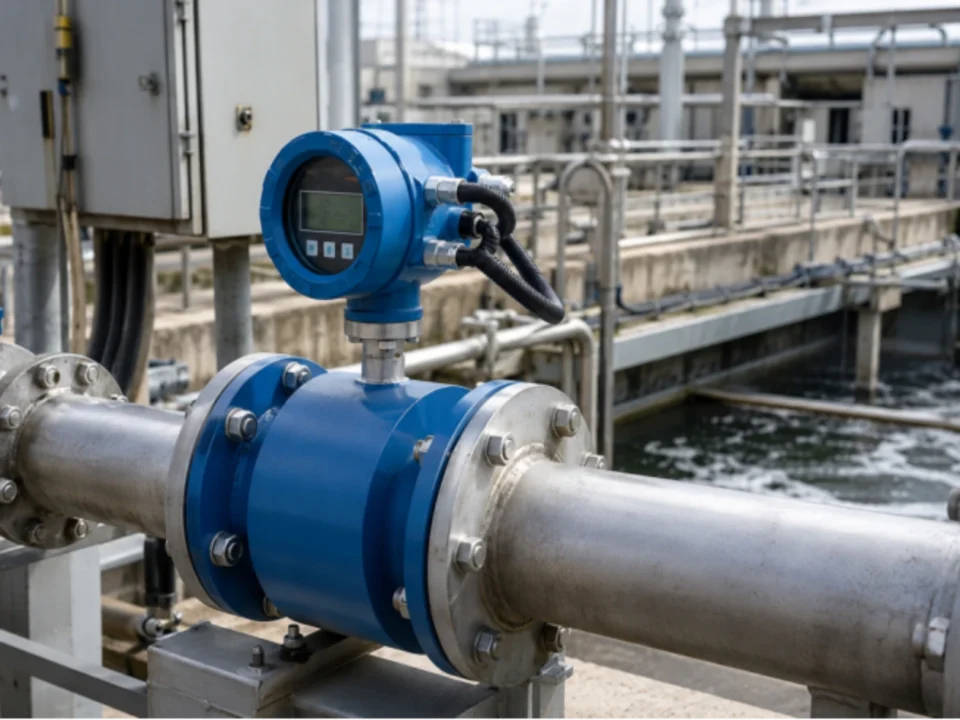
The finest meter can underperform if you place it wrong. To cut down on swirl issues:
- Keep it away from pumps or bends that stir up uneven flow.
- Allow enough straight pipe runs in front and behind the meter.
- Add supports that block shakes when fitting it on big lines.
These steps create steady signals. They also help the device last longer.
Maintenance and Calibration Practices
Regular checks matter a lot. Look at zero stability, test signal wires, and clear any deposits. This builds long-term trust. How often you calibrate depends on how hard you use it. Digital units come with self-check features. They warn you when it’s time for a tune-up.
Industrial Applications of Mass Flow Meters
Mass flow tracking holds a vital spot in many fields. Precision counts most in these areas.
Process Control in Chemical and Petrochemical Industries
Chemical plants watch reactant inputs closely. This keeps reactions running smoothly and avoids risky spills or mismatches. In petrochemical refineries, Coriolis meters dose catalysts or follow hydrocarbon lines under shifting forces. Volumetric tools would slip here because of how gases compress.
Energy Management in Oil & Gas Operations
Oil and gas teams depend on exact fuel gas tracking to sharpen combustion output. For handoffs between sellers and buyers, only sharp tools like Coriolis meters meet the strict rules for billing trades.
Environmental Monitoring and Emission Control Systems
Mass flow meters follow waste gas output from heaters or burners. They aid in meeting green rules. When tied to auto systems, they log data nonstop. This supports reports to authorities and pushes for greener practices.
Food, Beverage, and Pharmaceutical Manufacturing Processes
Steady mixes define quality in these spots. Think blending drink bases or loading medicine into bottles. Clean meters from smooth stainless steel keep things sanitary. They hold exact ratios along the lines.
Integration of Mass Flow Meters in Automation Systems
Automation changes how teams gather and use process info. Today’s mass flow meters blend right into this setup.
Digital Communication Protocols
Leading models handle HART, Modbus RTU/TCP or Foundation Fieldbus standards. These let you send health checks in real time with main data. So, you can plan fixes ahead rather than scrambling after issues pop up.
Smart Instrumentation Trends
Sensors with IoT links now let you watch gear status from afar via cloud tools. Ongoing checks spot slow changes early. This cuts idle time and lifts daily output. Such shifts grow key in smart plants everywhere.
Selecting the Right Mass Flow Meter for Your Application
Picking the proper one means weighing tech needs against budget sense.
Key Criteria for Selection
Engineers ought to review:
- Fluid characteristics:Liquid, gas, or thick mix? Any bits in it?
- Process conditions:Heat range, force limits, fit with pipe sizes.
- Accuracy vs cost:Top Coriolis gear gives unbeatable sharpness but might stretch funds where rough estimates work fine.
Aligning these points guarantees good work without extra spending.
How Wepower Electronic Supports Industrial Measurement Needs
Wepower Electronic focuses on sturdy industrial tools made for fields like chemical work, energy oversight, food making, and green tracking. We offer adjustable mass flow systems with smart transmitters that link to current auto networks. Our help includes setup tips, calibration aid under global rules, and blending advice for easy fits into your control setups.
FAQs
Q1. How often should a mass flow meter be calibrated?
Usually every 6–12 months based on how much you use it and what rules demand. Some smart ones track shifts on their own.
Q2. Can a single meter handle both liquid and gas applications?
A few advanced ones can switch media but often need fresh calibration because of density differences.
Q3. Why is straight pipe length important during installation?
It evens out fluid speed before the sensor. This gives true readings free from swirl disruptions.
Q4. What factors most affect long-term accuracy?
Shakes from machines, deposits in tubes, unchecked density shifts—all these can slowly move the baseline if you ignore them.