- Have any questions?
- +86 15953537010
- admin@wepower-electronic.com



1)Industrial Process Control Using Float Ball Level Switches
Enhancing Efficiency in Chemical Manufacturing
In chemical plants, keeping track of liquid levels is very important. It helps make sure products are good and processes are safe. A float ball level switch is a simple but very useful tool for this job. These switches work by noticing when a float ball moves up or down in a tank. This movement sends a signal to control pumps or sound alarms.
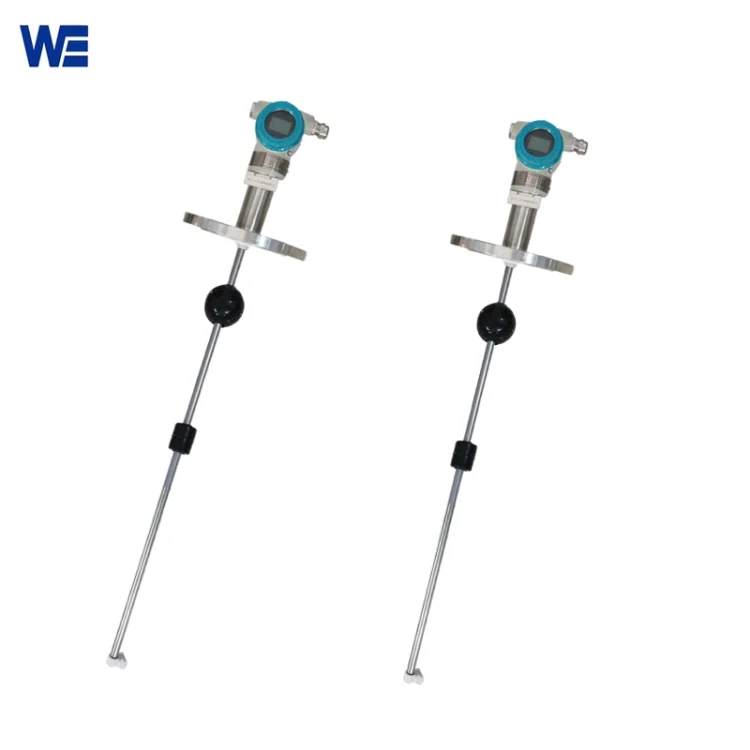
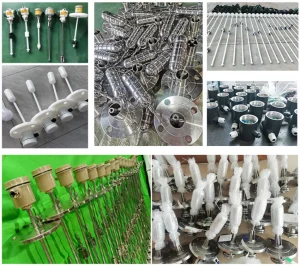
The side-mounted float ball level switch is easy to use and has a basic design. It’s safe, reliable, and lasts a long time. Its small size and quick response make it strong and durable. The contact can work up to 1 million times! This is perfect for tough chemical plant settings where tools need to work well with little upkeep.
Also, you can put it on the side of a tank or at the top. This gives flexibility for different setups. Plus, the Float Ball Liquid Level Sensor is great for batch processes. It keeps liquid levels exact, which is key for making chemicals.
Monitoring Liquid Levels in Oil and Gas Operations
In oil and gas work, handling risky liquids in hot or high-pressure places needs strong tools. The Ball Floating Level Meter is built for these tough spots. Its control part is fully separated from the liquid, so it works in very hot or high-pressure areas.
These meters are often used in separator tanks, storage containers, or pipelines. They work well even with sticky liquids or foam. This makes them very important for oil and gas tasks, both upstream and downstream.
2)Water Treatment and Wastewater Management
Regulating Water Levels in Treatment Plants
Float Ball Level Switches are very helpful in water treatment plants. They keep water levels just right during filtering and cleaning steps. For example, the WPS101 Side Mounted Float Level Switch from Yantai Wepower Electronic Co., Ltd. works well even when water flow changes a lot.
It is used in many industries like shipbuilding, paper making, printing, generators, petrochemicals, food, water treatment, and fuel. This shows how versatile it is. By controlling pumps based on water levels, these switches make work easier. They reduce the need for workers to check things by hand, which saves time.
Preventing Overflow and Equipment Damage
Overflows can cause big problems, like harming the environment or breaking machines. A Ball Float Type Level Switch stops this by setting off alarms or turning off systems when levels get too high.
When the float moves up or down with the liquid’s buoyancy, a reed switch (or micro switch) in the junction box works with a magnet at the arm’s end. This makes the switch act quickly. It helps stop overflows before they become serious.
3)Float Ball Level Switch Applications in Food and Beverage Production
Ensuring Hygienic Liquid Handling Systems
In food processing, keeping things clean is very important. Wepower’s Float Ball Level Sensor can attached to a pipe or tank with a clean connection. This meets health standards and allows real-time checking of liquids like milk or syrup.
Plus, it doesn’t need calibration and is easy to install. This makes it simple for workers to set up without stopping production for long.
Managing Ingredient Tanks and Storage Vessels
Getting ingredients right depends on accurate tank measurements. The Float Ball Liquid Level Sensor quickly notices changes, even in sticky or foamy liquids. Its “quick drop” tuning fork design helps with this. Its small, light build fits in tight spaces.
This mix of clean design and precise measurement makes it popular for dairy, breweries, and condiment makers.
4)Integration of Ball Float Switches in HVAC Systems
Controlling Condensate Drainage in Cooling Units
HVAC systems need to manage extra water, called condensate, to avoid flooding around air handlers or chillers. A float ball level switch spots rising water in collection pans or sumps.
It turns on drainage pumps when water hits a set level and turns them off when the water is gone. This keeps things running smoothly without needing someone to watch it.
Maintaining Optimal Water Levels in Boilers and Chillers
Boilers need steady water levels to work safely. A Ball Floating Level Meter in boiler feedwater systems keeps heating parts covered and prevents overfilling.
It isn’t affected by foam or how conductive the liquid is. It also handles changes in liquid weight or pressure. This makes it great for HVAC systems where conditions can change fast due to different loads.
5)Marine and Offshore Equipment Monitoring
Managing Bilge Water Levels on Ships
Bilge areas on ships collect extra water that needs to be pumped out to keep the ship steady. A Side Mounted Float Level Switch works well even in rough seas because it’s tough.
It isn’t bothered by sticky liquids, so it performs well no matter what’s in the bilge water. This is key for keeping ships safe and following rules.
Ensuring Safety in Offshore Drilling Platforms
Offshore platforms need tools that are explosion-proof and can handle extreme conditions. The WZP20 Rotary Paddle Level Switch from Wepower Electronic has a special oil seal design. It’s double-layer dustproof, perfect for drilling mud tanks or chemical injection skids exposed to salt or oil.
Its clutch protects motors during heavy loads while keeping accurate control of material levels at sea.
6)Smart Infrastructure and Building Automation
Implementing Float Ball Level Switches for Water Tank Monitoring
Modern buildings use smart systems to manage things like water tanks. A Float Ball Liquid Level Sensor is a great tool for checking rooftop tanks or underground water storage used for greywater systems.
With SPDT contact outputs, it works with PLCs (Programmable Logic Controllers). This makes it easy to add to smart systems for remote monitoring on IoT dashboards.
Supporting Sustainable Water Usage in Smart Buildings
Saving water is a big goal for new buildings. Float ball switches help control rainwater harvesting or cooling tower tanks. This cuts down on fresh water use.
The switches have self-test electronics and LEDs to show their status. This helps workers spot problems early, making systems more reliable and eco-friendly.
Yantai Wepower Electronic Co., Ltd. offers custom solutions for all these uses with expert support.
Frequently Asked Questions (FAQ)
What is a float ball level switch?
A: A float ball level switch is a tool that uses a floating ball on an arm to check liquid levels in tanks or containers. When the liquid goes up or down past a set point, it sends a signal to control alarms or pumps.
Where are float ball level switches commonly used?
A: They are used in many places like chemical plants, oil and gas processing, water treatment, food and drink production, HVAC systems, and ship bilge monitoring.
How does a float ball liquid level sensor differ from other types?
A: Unlike optical or ultrasonic sensors that can be confused by foam or bubbles, the reed switch in a float ball level switch isn’t affected by foam or conductivity. It’s simple, accurate, and doesn’t need recalibration.
Can these switches handle high temperature environments?
A: Yes, they work up to 200°C, depending on the model. Some are built for high-pressure places like industrial boilers or offshore rigs.
Are float ball level switches suitable for smart buildings?
A: Yes! They work with PLCs, making them great for smart building systems. They help manage water tanks for sustainable use through automated filling and draining.
To learn more about how our products, like the Ball Floating Level Meter, can help with your needs in industries from ships to smart buildings, contact us today! Yantai Wepower Electronic Co., Ltd., located in the coastal city of Yantai, has been making, selling, and supporting automated tools since 2003. Our skilled team offers 24-hour technical help and after-sale support.