- Have any questions?
- +86 15953537010
- admin@wepower-electronic.com


1) Key Features of Magnetic Flow Meters
How Magnetic Flow Sensors Work
Magnetic flow sensors work using a cool science rule called Faraday’s law. This rule says that when a fluid that carries electricity moves through a magnetic field, it makes a voltage. The voltage depends on how fast the fluid moves. So, this helps measure flow super accurately. The device has electrodes. These catch the voltage. A transmitter turns it into data you can read.
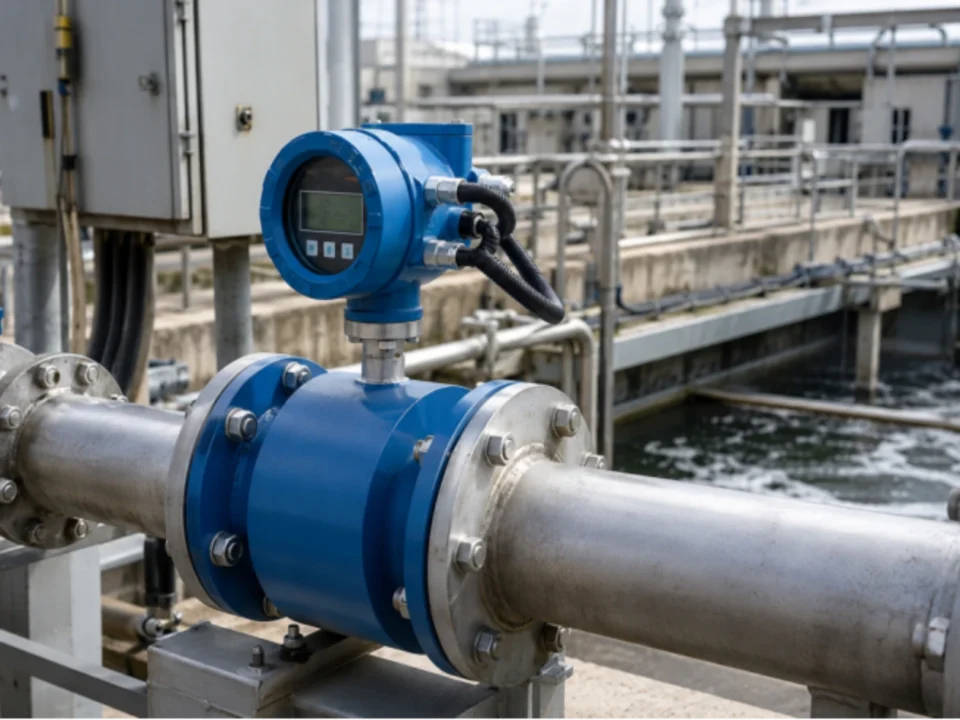
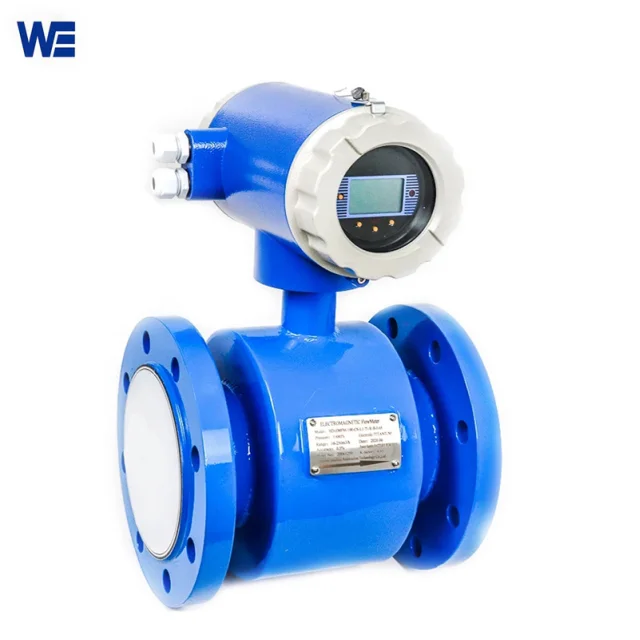
For example, Wepower Electronic’s Digital Water Flow Meter is electromagnetic flow meter, which is an automation instrument that uses the principle of electromagnetic induction to measure the flow of conductive fluid based on the electromotive force induced when the conductive fluid passes through an external magnetic field.
Materials Used in Magnetic Water Flow Meters
Magnetic water flow meters are made with strong stuff to last long and work with different fluids. Stainless steel is used for the main parts. It’s tough and doesn’t break easy. Linings like PTFE or rubber stop rust from harsh chemicals. These keep the meter working well for a long time.
Maintenance Needs for Magnetic Flow Meters
Magnetic flow meters don’t need much fixing compared to other flow tools. You should check them now and then. Make sure the sensor is clean. No gunk or clogs should block it. This keeps it accurate. Also, check if it’s calibrated right. Make sure the wires are connected properly, too.
2)Benefits of Using Magnetic Flow Meters in Various Industries
High Accuracy and Trustworthy Results
Magnetic water flow meters are super good at being exact. They measure flow really well, even if the temperature or pressure changes. Factories test them carefully before sending them out. This makes sure they give correct measurements every time.
Works with Lots of Fluid Types
A big plus of magnetic flow meters is they work with many fluids. They’re great for stuff like water, mud, or even harsh liquids. They need the fluid to carry electricity, like water or slurries. This makes them awesome for all kinds of jobs in different industries.
Wepower Electronic’s Electromagnetic Flow Transmitter is suitable for the fluid flow of various conductive fluids, such as water, acid and alkali solutions, salt solutions, water, sewage, corrosive liquids, and mud, mineral pulp, paper pulp, etc.
Saves Money Over Time
Magnetic flow meters might cost more at first. But they’re tough and don’t need fixing a lot. This makes them cheap in the long run. They keep working well without needing repairs or new parts often. That saves money and hassle.
3)Applications of Magnetic Flow Sensors
Use in Water Treatment Plants
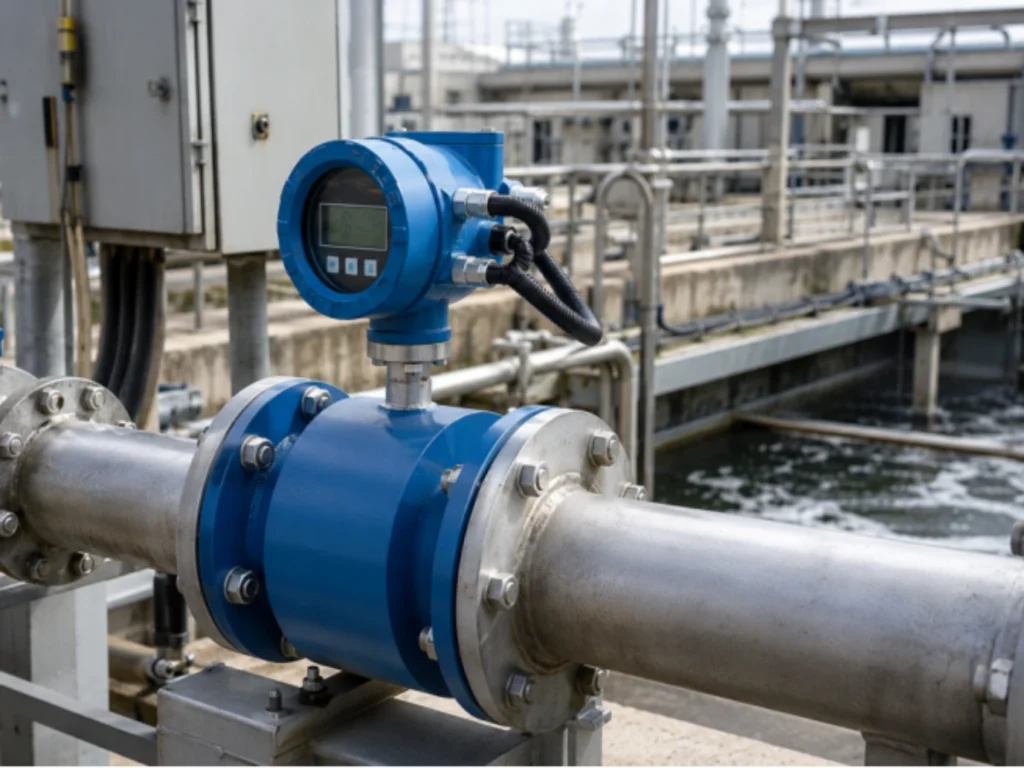
Water treatment plants use magnetic flow sensors to watch water flow closely. They help control things like filtering or adding chemicals. This keeps the process smooth and meets rules for clean water. They make sure everything runs nicely.
Use in Chemical Industries
In chemical plants, magnetic flow meters are super helpful. They handle harsh or dangerous fluids safely. Their design doesn’t get in the way of the fluid. This keeps measurements exact and the process safe.
Role in Food and Drink Making
The food and drink industry loves magnetic flow meters. They have clean designs, like sanitary flanges or tri-clamp connections. These are perfect for stuff like milk, juice, or syrup. They meet strict health rules and keep things safe to eat or drink.
4)Comparing Magnetic Flow Meters with Other Flow Devices
Differences Between Magnetic Water Flow Meters and Ultrasonic Meters
Magnetic water flow meters and ultrasonic meters both measure how fast fluid moves. But they work differently. Magnetic flow meters need to measure conductive fluids and are suitable for water treatment and chemical industries. Ultrasonic flowmeters use sound waves to measure non-charged fluids and are suitable for rivers, agricultural irrigation, etc.
Better Than Mechanical Flow Systems
Mechanical flow systems have moving parts. These can wear out or break. Magnetic flow meters don’t have any moving bits inside. This makes them last longer. They also need less fixing, which is a big win.
5)Factors to Think About When Choosing a Magnetic Flow Meter
Why Pipe Size and Material Matter
Picking the right pipe size is super important for a magnetic water flow meter. It helps get accurate results. Also, the meter’s lining and electrode need to match the fluid. This stops rust or damage over time. Choosing the right stuff keeps the meter working well.
How to Install Magnetic Water Flow Meters
Installing magnetic water flow meters the right way is key. The pipe needs to stay full of fluid during use. If it’s empty, the meter might mess up. You can use flanges, threads, or sanitary clamps to connect it, depending on the job.
6)Frequently Asked Questions
What fluids can a magnetic water flow meter measure?
Magnetic water flow meters work with fluids that carry electricity. Think water, mud, slurries, or some chemicals. They can’t measure stuff like oil or gases that don’t carry electricity.
How often should I check my magnetic water flow meter?
You might need to calibrate it every year or so. It depends on how you use it. If conditions are steady, it could be less often, maybe every few years.
Can magnetic water flow meters handle high pressure?
Yes, lots of models can take high pressure. Check the details from places like Wepower Electronic to be sure about specific models.
Are they okay with harsh chemicals?
Yup, as long as they have linings like PTFE or rubber. These are made to handle tough chemicals without rusting.
What help does Wepower Electronic give after I buy a magnetic water flow meter?
Wepower Electronic Co., Ltd., based in Yantai since 2003, offers help 24 hours a day on workdays. They also give great support after you buy to fit your needs.