- Have any questions?
- +86 15953537010
- admin@wepower-electronic.com

1)Challenges of Measuring Corrosive Media in Industrial Environments
Chemical Properties That Affect Measurement Accuracy
Corrosive substances, like strong acids or bases, create big hurdles for precise level measurement. These materials often have low dielectric constants. This weakens the signals that Radar Level Transmitters use. The accuracy of these devices depends on things like the dielectric constant, misty vapors, or rough liquid surfaces. Harsh chemical fumes can also mess with how signals travel and bounce back, making measurements less dependable.
Risks of Equipment Degradation Over Time
Being around corrosive chemicals for a long time can harm sensor parts if the wrong materials are chosen. Metal pieces might rust. Seals could break apart. Sensor probes may get coated or damaged. This wear lowers performance, raises repair costs, and increases the chance of process breakdowns.
Environmental Conditions and Their Impact on Sensor Performance
Industrial settings with corrosive media often have high dampness, changing temperatures, and high-pressure tanks. These conditions can cause water droplets or buildup on sensors, which muddles signal clarity. Vapors above the liquid can also soak up or scatter radar pulses. Picking a sensor that works well in these tough conditions is very important.
2)The Role of Radar Level Transmitters in Corrosive Applications
Why Radar Level Transmitters Are Suitable for Harsh Media
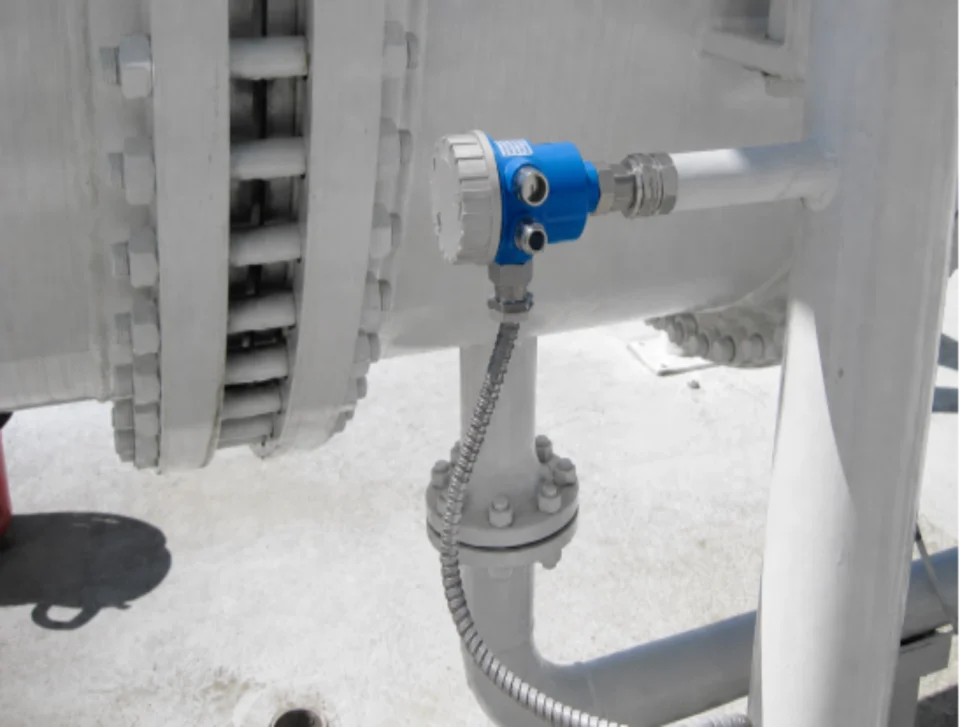
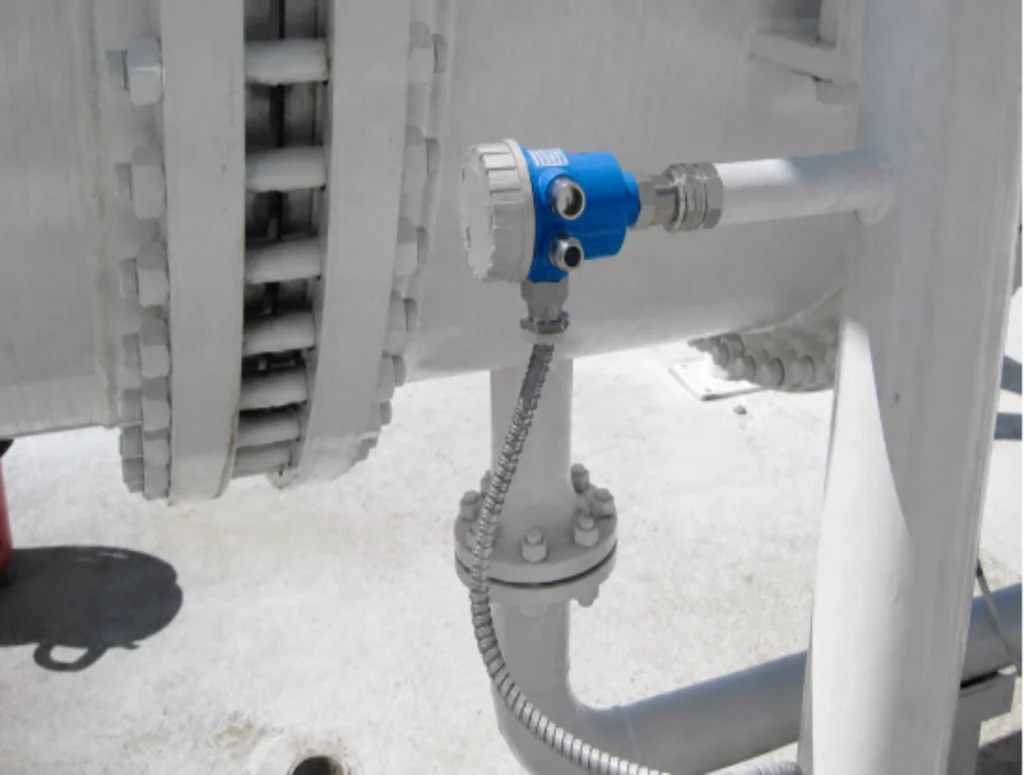
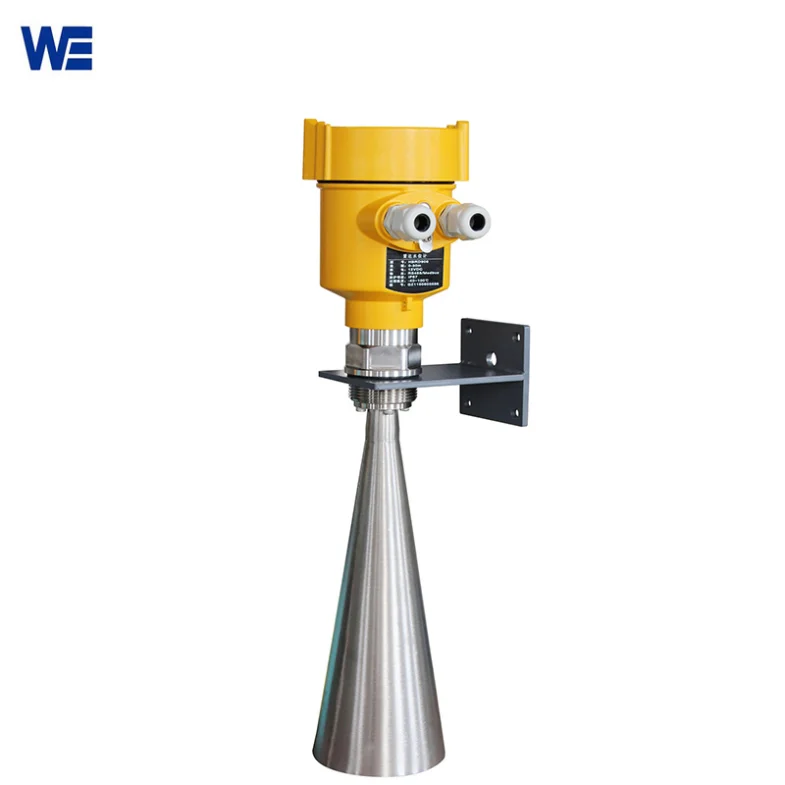
Radar Level Transmitters are great for measuring levels in corrosive settings because they don’t touch the material. The 26G Radar Level Meter has a non-contact design, which means no wear and no pollution. Since they don’t come into contact with the substance, there’s less chance of chemical harm or contamination.
Plus, the WERD-9X Series 80G Radar Level Transmitter is a good example. It’s a high-frequency microwave pulse radar. It sends narrow pulses that bounce off the material’s surface and come back for processing. This allows accurate measurements without touching the liquid.
Material Compatibility and Protective Coatings for Radar Devices
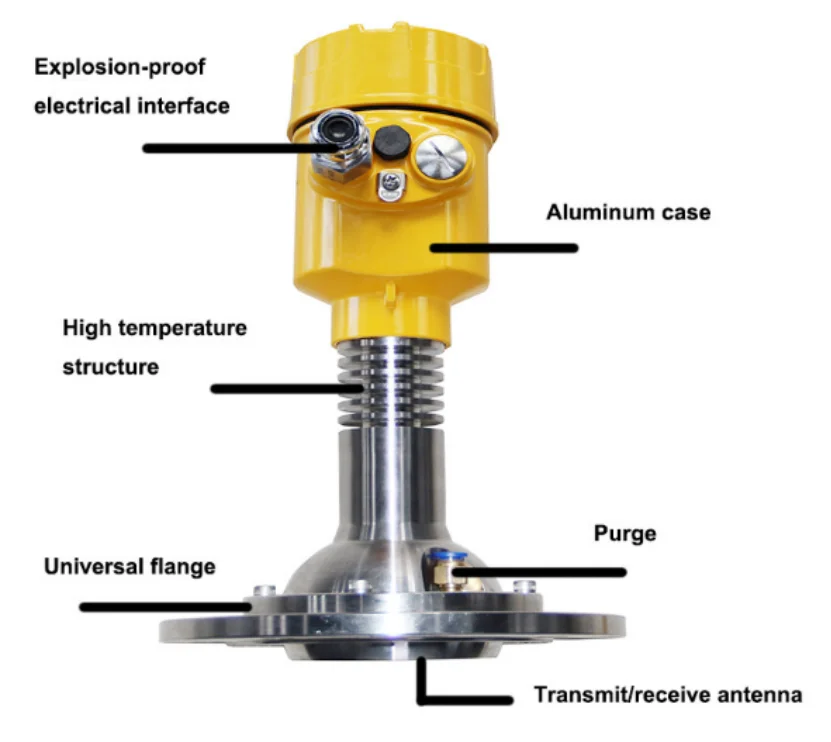
To handle corrosive environments, radar sensors should use materials like PTFE or Hastelloy that resist chemicals. Special coatings on antennas and seals stop chemical damage. The WERD-9X Series 80G FMCW Radar Level Meter has various antenna options with small launch angles and focused energy beams. These improve performance in harsh atmospheres. The lens antennas have a smaller launch angle, more focused energy, and stronger echo signals.
The Importance of Process Connection Design in Corrosive Tanks
A good process connection design keeps sensors sealed against leaks. It also reduces exposure to vapors and splashing liquids. Flanged connections with chemical-resistant gaskets are often used in corrosive tanks. They protect the internal electronics and keep measurements accurate.
3)Choosing Between Guided Wave Radar Level Sensor and Non Contact Radar Level Transmitter
Key Differences in Performance and Application Suitability
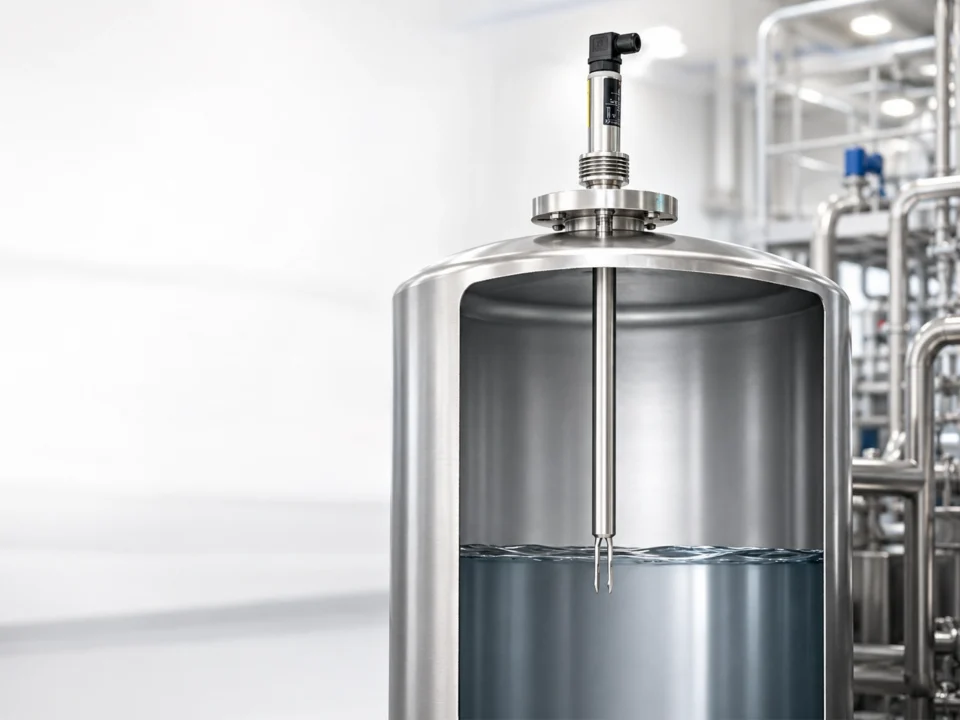
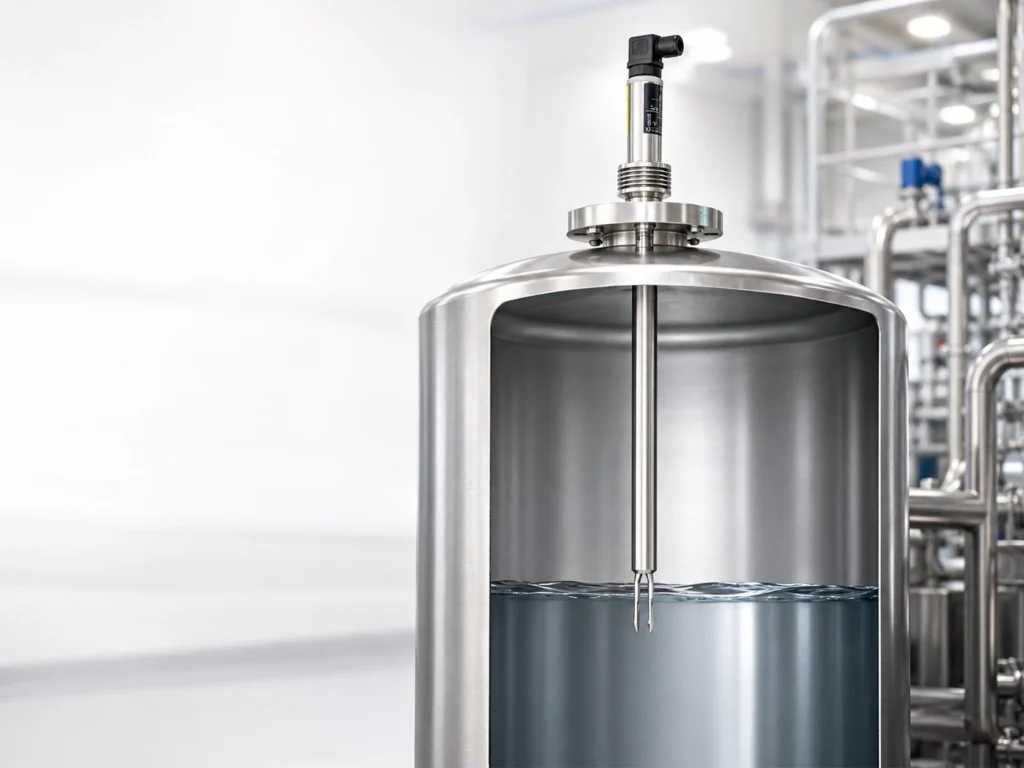
Guided Wave Radar Level Sensors use a probe that goes into the tank. The probe guides microwave pulses straight to the liquid surface. On the other hand, Non Contact Radar Level Transmitters send signals through the air from above the tank. They don’t touch the liquid.
However, Guided Wave Radar Sensors are less affected by dielectric constants, vapor clouds, or rough surfaces. This makes Guided Wave Radar more reliable in some tricky situations. But, Guided Wave Radar probes can get buildup, which might cause issues.
Advantages of Guided Wave Radar Level Sensors in Narrow or Agitated Tanks
In narrow tanks or ones with mixers or baffles, Guided Wave Radar Level Sensors work well. Their guided signal path avoids problems from tank shapes.
Benefits of Non Contact Radar Level Transmitters for Aggressive Vapors and Pressure Changes
Non Contact Radar Level Transmitters are perfect for open tanks or sealed ones with strong vapors. They avoid direct contact with chemicals. Their external mounting cuts down on maintenance and risks. The radar sends and receives signals about 80 times per second. This gives a continuous measurement of the material level.
4)Installation Considerations for Accurate Measurement Results
Proper Mounting Techniques to Prevent Signal Interference
Mounting sensors wrong can cause signals to bounce off tank walls or fittings instead of the liquid surface. To avoid this, install sensors away from nozzles or agitators. Use centered flanges when you can to get better results.
Optimal Antenna Positioning to Handle Condensation or Buildup
Placing antennas at an angle helps water droplets slide off instead of sticking to the lens. Using purge connections or air flush systems can also reduce buildup in damp environments.
Calibration and Configuration for Corrosive Media Measurement
Adjusting Signal Strength Based on Dielectric Constant of Liquids
Liquids with low dielectric constants give weaker signal reflections. Adjusting the transmitter’s sensitivity is key. Advanced devices let users tweak gain settings based on the liquid’s known properties.
Using Advanced Software Features to Filter Out Noise from Aggressive Media
Both Guided Wave Radar Level Sensors and Non Contact Radar Level Transmitters often have tools like Echo Discovery technology. These filter out false signals caused by foam or vapor layers. Thanks to advanced microprocessors and unique Echo Discovery echo processing, measurements stay reliable.
The Role of Temperature Compensation in Ensuring Long-Term Stability
Temperature changes can slightly affect signal speed. They also impact sensor electronics. Built-in temperature compensation tools correct for thermal drift in the electronics. This keeps readings steady over time.
FAQ: Common Questions About Measuring Corrosive Media With A Radar Level Meter
What type of radar level transmitter works best with acidic liquids?
For acidic liquids with strong vapors, a Non Contact Radar Level Transmitter is ideal. Those made from corrosion-resistant materials like PTFE are durable. Their zero-contact operation reduces risks.
Can I use a guided wave radar sensor in high-pressure tanks?
Yes, you can. Guided Wave Radar Level Sensors are built for high-pressure conditions. Their strong probes and sealed connections handle extreme environments well.
How often should I calibrate my radar level meter?
Many modern devices need little calibration after setup. Still, recalibrating every 6–12 months is a good idea for aggressive media. This ensures accuracy over time.
What causes false readings in corrosive applications?
False readings can come from vapor interference or probe buildup in Guided Wave Radar Level Sensors. Condensation on antennas or wrong dielectric settings in Non Contact Radar Level Transmitters can also cause issues.
How does temperature affect measurement accuracy?
Temperature shifts can slightly change signal speed. More importantly, they affect sensor electronics. Transmitters with automatic temperature compensation keep readings accurate over time.
For more details about our products, including the Non Contact Radar Level Transmitters, Guided Wave Radar Sensors, contact Yantai Wepower Electronic Co., Ltd. today. Based in the seaside city of Yantai since 2003, we offer 24-hour technical support with expert R&D teams ready to help anytime.