- Have any questions?
- +86 15953537010
- admin@wepower-electronic.com

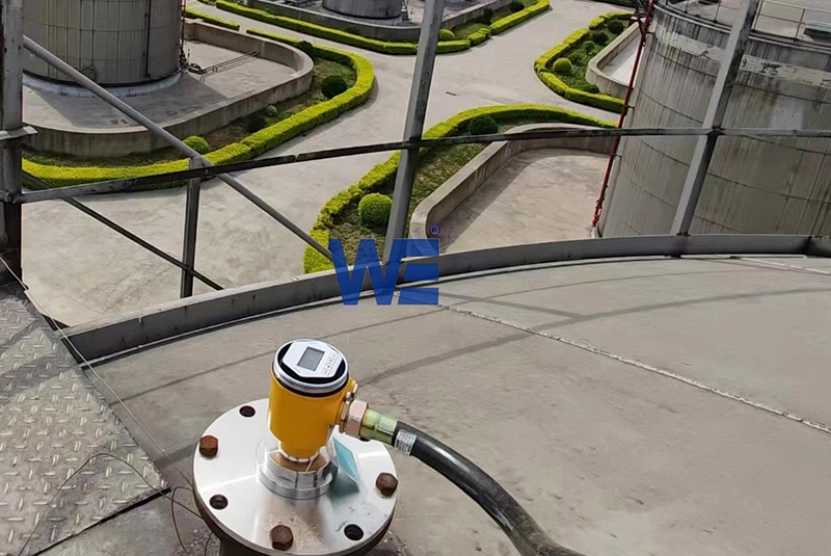
Exact level measurement forms the base of safe and smooth industrial work. It helps manage chemical tanks, wastewater setups, or food lines. Knowing the true level of liquids or solids stops expensive stops and keeps quality steady. Radar and ultrasonic level sensors both give touch-free options. But their work varies by situation. In short, radar level sensors perform well in complex environments, while ultrasonic level sensors perform best in simple and stable environments.
How Ultrasonic Level Sensors Work
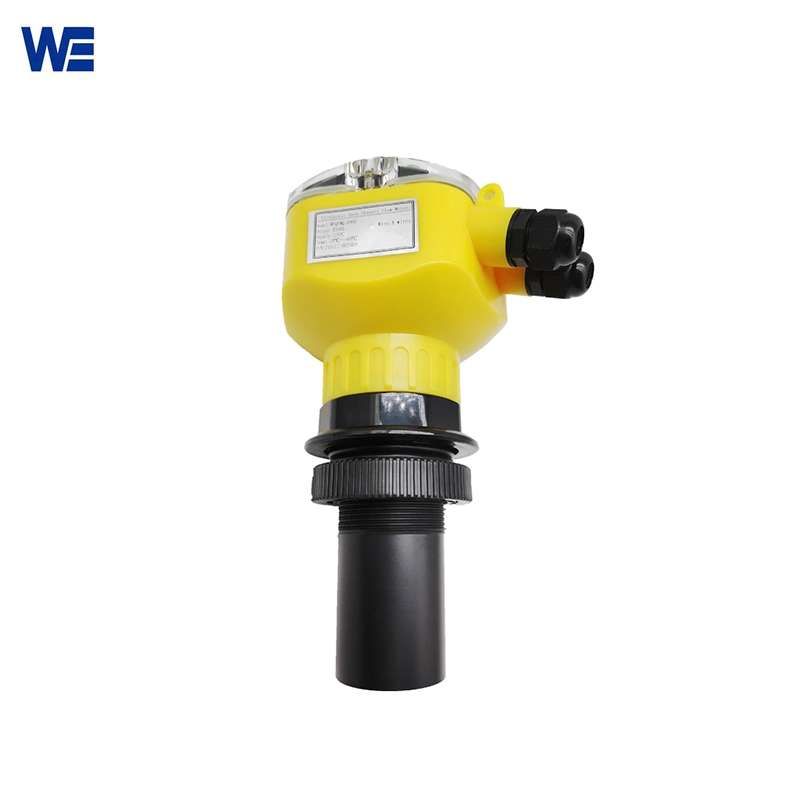
Ultrasonic tech stays one of the top touch-free ways to check liquid levels. The ultrasonic level sensors are ease and low cost. Ultrasonic sensors send out fast sound waves to the material top. The tool checks the time for the echo to come back after hitting that top. This time gap turns into distance or level with known wave speed facts. The way is simple. Yet it feels changes in heat and air thickness.
Key Components of Ultrasonic Level Sensors
A usual ultrasonic level sensor has:
- A transducer that sends and gets sound waves.
- A signal processor that figures distance from echo time.
- A display or output part that gives live level info or links with control systems.
These parts team up for ongoing watch without touch with the stuff. It suits water clean tanks or open paths well.
How Radar Level Sensors Work
When process spots get tougher with steam, force changes, or dust, radar tech gives a steadier choice.
Operating Principle of Radar Sensors
Radar sensors send microwave bursts to the product top. The bounced signal gets checked to find distance and level from wave shift or time gap. New designs like Frequency-Modulated Continuous Wave (FMCW) radar boost exactness. They change wave speed all the time during send. This lets true split even with many bounces.
Types of Radar Level Measurement Technologies
Non-contact Radar Sensors
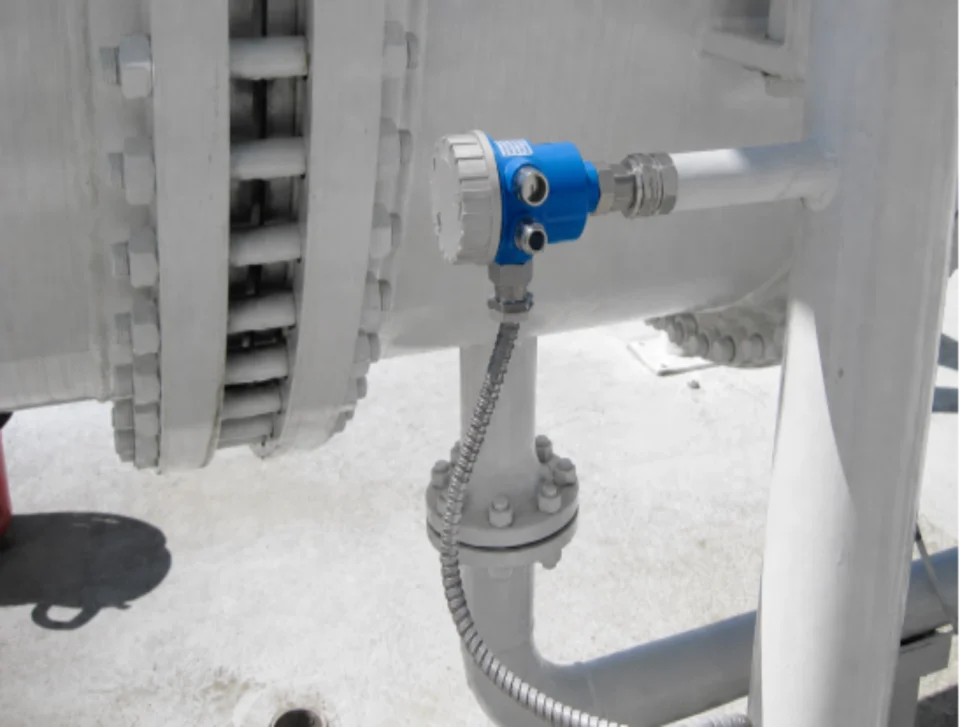
Touch-free radar sensors fit liquids, thick mixes, and eating stuff. They skip direct touch with the stuff. They also deal with high heat or force spots well. That is why they often go in chemical store tanks.
Guided Wave Radar Sensors
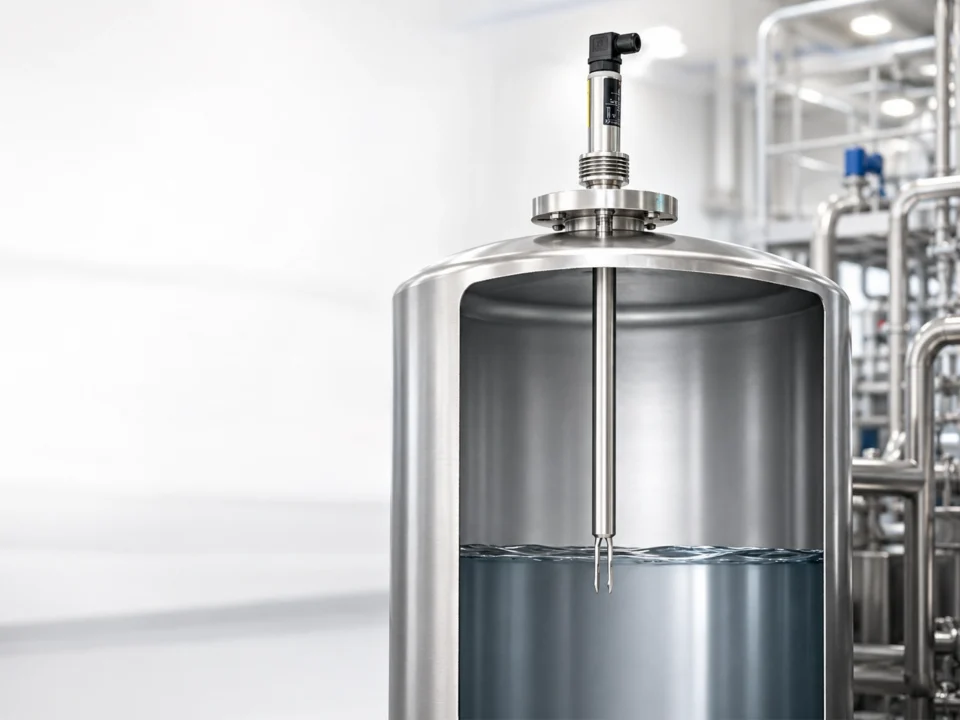
Guided wave radar uses a rod to lead microwave signals through the stuff. This setup boosts exactness in low-pull stuff like powders or grain solids. Free-space radar might have trouble there.
Comparing Radar vs Ultrasonic Level Sensors
Choosing between radar and ultrasonic rests on how each does in set process spots.
Accuracy and Reliability Differences
Radar sensors keep high exactness even with shifts in heat, force, or gas mix. This is because electric-magnetic waves skip these changes. Ultrasonic sensors can get mistakes from wetness, foam tops, or thick dust. These mess up sound travel.
| Feature | Radar Sensor | Ultrasonic Sensor |
| Signal Type | Electromagnetic wave | Sound wave |
| Sensitivity to Environment | Low | High |
| Accuracy under Harsh Conditions | Excellent | Moderate |
| Typical Range | Long (up to 120m) | Short–medium (up to 10m) |
Environmental Suitability and Limitations
When Ultrasonic Performs Well: Ultrasonic does best in clean spots with steady heat. Think water clean plants, small store tanks, and non-strong liquids. There foam stays low.
When Radar Performs Better: Radar shines in rough spots like steam-full pots, dusty bins, or force-filled reactors. It fits oil & gas stores, chemical plants, and big solid jobs. There steady work matters most.
Advantages of Ultrasonic Level Measurement
Even with limits in wild spots, ultrasonic level check stays very common. This comes from its real-world use.
Benefits for Industrial Applications
- Low-cost fix with easy setup.
- Little upkeep thanks to touch-free work.
- Fits short to mid check ranges.
- Works with many control systems via usual signal outs.
For spots that put money save over top exact needs, ultrasonic stays a fine pick.
Advantages of Radar Level Measurement
When processes need steadiness no matter spot changes, radar tech shows out clear.
Benefits Across Complex Process Conditions
Radar sensors skip heat jumps, force shifts, or gas tops over liquids. They give true reads even when foam grows on liquid tops. Or when rough flow messes bounce paths. Plus, they back long check ranges for big factory bins. This makes them key for power plants and oil-chem spots alike.
Application Scenarios Across Industries
Both techs fill set roles in areas based on needed strength and exact levels.
Typical Uses of Ultrasonic Level Sensors
Water treatment & Wastewater Management: Ultrasonic sensors are excellent for monitoring open water channels and storage tanks normally. Spot steady lets true reads without hard setup tweaks.
Food & Beverage Processing: They let clean liquid check without dirt risks. It fits dairy mix tanks or drink blend lines perfect. There clean counts most.
Typical Uses of Radar Level Sensors
Chemical & Petrochemical Plants: Radar’s strength under high heat and force makes it key for watching strong chems safe in shut pots.
Power Generation & Bulk Material Handling: In coal bins or fly ash spots full of dust clouds, radar keeps going true. Sound waves would get blocked there. But its electric-magnetic side helps.
Factors to Consider When Choosing Between Radar and Ultrasonic Sensors
Selecting between these two technologies involves analyzing several interrelated factors beyond just price tags.
Process Environment Conditions
Evaluate whether your tank experiences condensation, vapor buildup, or wide temperature swings — all crucial factors influencing sensor stability.
Material Characteristics
Consider dielectric constant (for radar), surface turbulence levels, foam formation tendencies, and whether solids may generate dust interference during filling operations.
Installation Requirements
Review available mounting space, tank geometry constraints (like narrow openings), cable routing options, and compatible power supply types before finalizing your selection.
How Wepower Electronic Supports Your Process Measurement Needs
Transitioning from theory to practice requires reliable instrumentation partners who understand both technology nuances and industrial realities.
Wepower’s Expertise in Industrial Automation Instruments
Yantai Wepower Electronic has been dedicated to the field of automation field instruments for many years, with products covering level, pressure, temperature, flow, density, and viscosity measurement. Our products include advanced radar level transmitters, flow meters, pressure transmitters, and temperature sensors and density/viscosity meters all designed for process automation environments with extremely high requirements for accuracy and durability.
With our company’s skilled technical staff,we can offer our clients 24 hour working-day technical assistance and after-sale support. This continuous support ensures smooth commissioning from installation through operation phases across global markets.
Why Partner with Wepower Electronic
Customized OEM Service Our ability of R&D and the 20 years production experience can ensure customization for our clients. Their flexible pricing system also encourages long-term cooperation built around mutual growth objectives rather than one-off sales transactions.
For integrators seeking dependable OEM/ODM options at competitive rates backed by proven field expertise — Wepower Electronic represents a trusted partner bridging innovation with reliability across modern industrial automation landscapes.
Not sure which model fits your process conditions? Contact our team for selection support.
FAQs
Q1: Can ultrasonic level measurement handle high-pressure tanks?
Not ideally; pressure variations distort sound travel time making radar a better fit there.
Q2: Which industries benefit most from radar-based systems?
Oil & gas storage terminals, chemical reactors, power generation silos—anywhere extreme process variables exist benefit significantly from radar technology.
Q3: Does Wepower provide both radar sensor and ultrasonic sensor solutions?
Yes; Wepower offers a full range of products, including radar transmitters and various ultrasonic models customized for a variety of industrial applications.