- Have any questions?
- +86 15953537010
- admin@wepower-electronic.com

Solid oil flow measurement shapes safety, expense management, and rule-following in various fields. It makes sure that oils and fuels spread out well. It also guarantees machines get the right fluid amount to cut down wear. Dependable info lets workers fine-tune assembly lines. Plus, it helps meet eco rules. In power-heavy areas like oil refining or electricity making, a tiny slip in flow reading can lead to big money hits.
Key Factors Influencing Oil Flow Measurement Accuracy
A few elements shape how reliable measurements turn out.
- Viscosity: Dense oils build up more drag, which slows sensor reactions.
- Temperature and pressure: Shifts can change density and flow patterns.
- Pipeline configuration: Curves or fittings close to sensors might twist the data.
- Technology selection: Picking a meter that works with the oil kind and setup flow cuts down steady mistakes.
Grasping these points helps pick a tool that holds steady accuracy through different work setups.
Common Categories of Oil Flow Meters
The usual kinds cover positive displacement (PD), turbine, ultrasonic, and Coriolis meters. PD meters, such as oval gear ones, shine at checking thick oils during slow flows. Turbine meters handle clean, thin fluids nicely. Ultrasonic meters fit spots where you avoid cutting pipes. Coriolis meters gauge weight straight with top-notch sharpness.
Tech upgrades have boosted all these types. They sharpen signal handling and link-up skills for live watching.
How Digital Oil Flow Meters Are Transforming the Industry
Digital oil flow meters blend smart circuits to offer steady checks and far-off checks. They link up easily with control setups like PLCs or SCADA nets for main oversight. Built-in checks spot odd issues soon. This cuts repair stops and expenses. At the same time, it keeps strong work under tough spots.
1. Oval Gear Flow Measurement (Positive Displacement)
Before jumping into fresh digital setups, let’s look at how old-school mechanical builds like oval gear meters stay useful through careful design.
Working Principle of Oval Gear Flow Meters
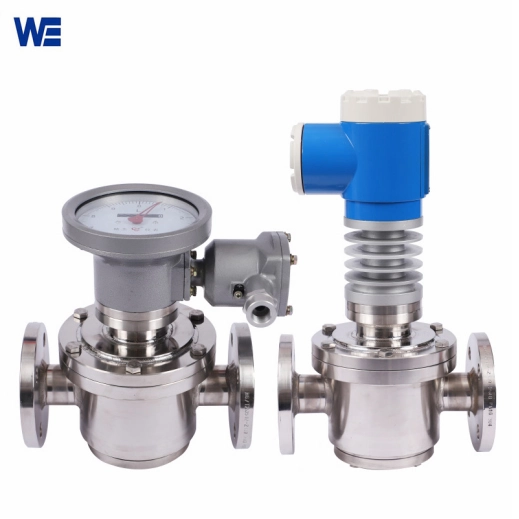
Oval gear flow meter acts as a volume-based tool for steady or spot checks and oversight of liquid flow in pipes. The unit relies on two linked gears inside a moon-like space to catch set oil amounts as they turn. Each turn matches a fixed liquid bit that passes. It creates signals tied to full volume.
This setup works great for thick oils. Why? It gauges real movement instead of speed shapes that shift with swirls.
Advantages and Application Scenarios Main perks cover these.
- Strong sharpness that ignores flow shape changes.
- Great repeat results even during slow flows.
- Little bother from thickness shifts.
You often see them in oiling setups for big machines, fuel give-out points, mixing tasks in chem plants, and hydraulic watch jobs where firm data matters most.
2. Turbine Flow Measurement
Moving from mechanical push to speed-sensing brings in turbine tech. It’s perfect for cleaner oils that move quick.
How Turbine Flow Meters Operate
Fluid runs through the turbine shell. This spins the inner wheel. The wheel’s turn speed ties to liquid speed. Sensors turn that action into electric signals for flow speed. The LWGY series turbine flow meter shows high sharpness, solid repeat, easy setup and care, and basic build. These traits make turbine meters trusty aids for exact volume checks when you keep the fluid clear.
Benefits and Industrial Uses
Turbine flow meters give fast replies and top repeat within ±0.2%. Many folks use them in:
- Fuel moves between storage or rides.
- Hydraulic test areas that need lively replies.
- Pipe watches where small size counts. Still, they call for filter systems.
Bits can hurt wheels or shake setup steadiness over time.
3. Ultrasonic Flow Measurement
For jobs that need no-cut setup or where pipe changes don’t work, ultrasonic tech offers a smart fix. It blends sharpness with ease.
Principles Behind Ultrasonic Oil Flow Meters
Ultrasonic flow meters send sound waves over the moving oil path. They figure speed from time gaps between up-path and down-path signals. Since sensors don’t touch the fluid right, dirt risks drop low. You get both built-in and clip-on styles. This gives bend for adding to old pipes without halting output.
Advantages for Modern Process Control Systems
The no-touch build skips pressure drops. It also ensures clean runs. That’s key in food-safe or drug oil setups. Linking to digital nets allows live number-crunching in control frames like PLCs or SCADA spots. Such ties back up ahead-care plans by following work trends from afar.
4. Coriolis Mass Flow Measurement
As factories push toward sharp-making by 2026, Coriolis tech shines as the top mark for weight checks across oil sorts. From raw mixes to pure oils.
The Science Behind Coriolis Meters
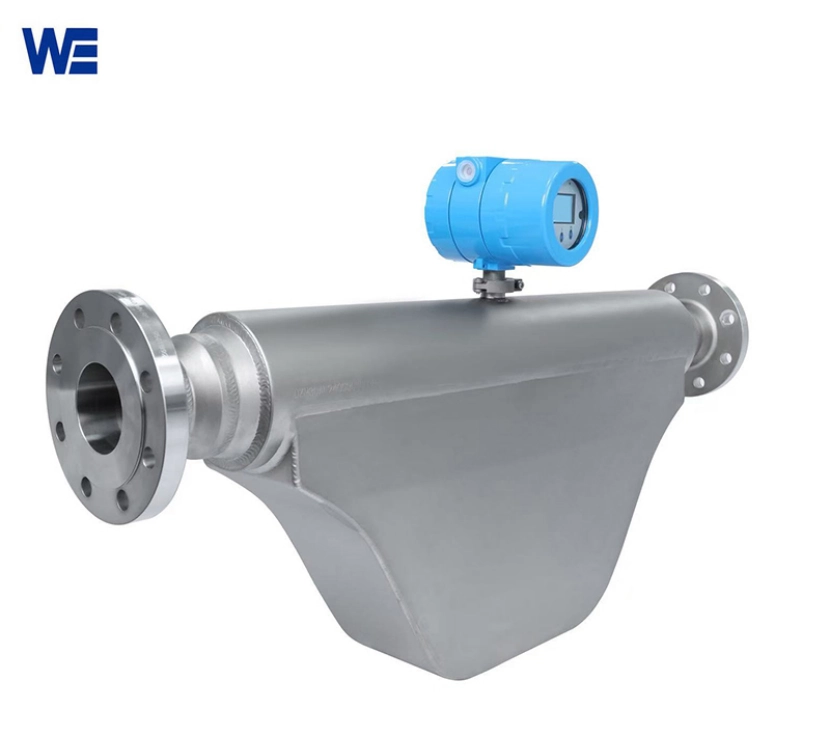
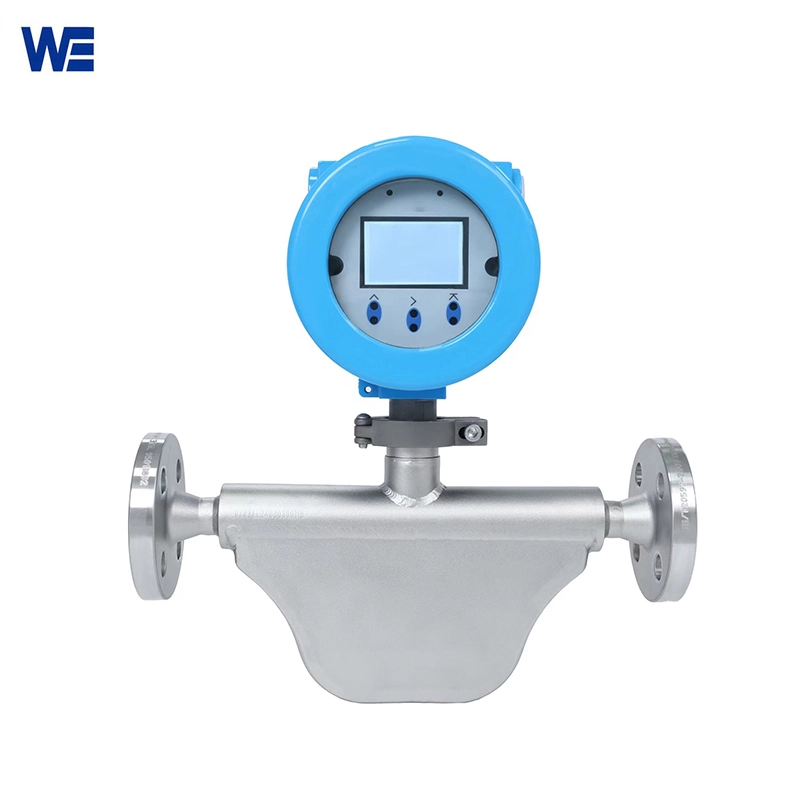
Wepower mass flowmeter stands as a fresh flow tool built on Coriolis force rules to gauge fluid weight flow right in sealed pipes. The sensor build turns Coriolis force checks into phase gaps between vibrating tube sides. As oil runs through shaking tubes in the meter, push-back forces cause clear bends tied to weight flow speed. At the same time, inner sensors spot density from shake rate. Temp sensors add heat fixes. All this gives full setup view from one device.
Why Coriolis Technology is Gaining Popularity by 2026
Coriolis flow meters bring unbeatable sharpness (±0.10% usual) over broad thickness spans. No need to reset when you swap fluids. Our mass flow meters fit spots with milk goods, thick syrups, chocolate, eating oils, and more. Their skill to gauge straight without moving bits lowers care needs. That’s a big win in oil plants or hand-over tasks where stops cost a lot.
| Parameter | Typical Range / Value | Reference |
| Accuracy | ±0.10% – ±0.50% | Mass flow (liquid): ±0.10%, ±0.15%, ±0.50% |
| Temperature Range | -200°C ~ +245°C | Medium temperature: -50, +180℃,-50, +80℃ |
| Pressure Class | Up to 35 MPa | Pressure classes of flow tubes: 4Mpa, 10Mpa, 35Mpa |
This wide use shows why take-up grows quick in world oil chem areas. They head to digital work by mid-decade.
Choosing the Right Oil Flow Meter for Your Application Needse
Picking the best meter goes beyond specs. You must match tech to real setup facts like room limits or link rules.
Evaluating Process Requirements Before Selection
Before you buy:
- Check thickness span (say, heavy oils against light fuel).
- Think about work temp and pressure caps.
- See if it fits digital link standards like Modbus RTU or HART for tying in.
Setup plan counts too. Some tools want straight pipe lengths. Others handle tight spots without losing work quality.
How Wepower Electronic Supports Custom Measurement Solutions
Wepower Electronic gives custom digital oil flow meter fixes for factory auto spots that need tough links and lasting steadiness. Our tech advice helps pair sensor kinds, like positive displacement or Coriolis, to exact setup states. It also ensures right setup help over full work spans.
Future Trends in Oil Flow Measurement Technologies by 2026
Digital shifts keep changing how factories watch fluid moves. They shift from hand-read tools to smart net setups that self-check and fine-tune.
Integration with Smart Manufacturing Systems
IoT-linked oil flow meters now send live data flows to cloud screens. There, number tools guess care needs before breaks hit. Ahead math looks at shake ways or zero slips. This cuts surprise halts a lot. It also boosts gear use over many sites at once.
FAQs
Q1: What factors should be considered when selecting suitable flow meter for measuring oil?
Viscosity range of the oil, operating temperature/pressure limits, installation space, accuracy requirements, and communication interface compatibility are key considerations.
Q2: Which type of flow meter works best for high-viscosity oil?
Oval gear flow meter. It has a volumetric structure that relies on a medium to drive the meshing oval gears to rotate. High-viscosity oil can reduce leakage in internal gaps and is not affected by flow rate and viscosity.
Q3: Are Coriolis mass flowmeters suitable for all kinds of oils?
Yes—they handle everything from crude petroleum to refined lubricants because they measure mass directly regardless of viscosity changes.