- Have any questions?
- +86 15953537010
- admin@wepower-electronic.com


Introduction
Liquid level measuring in sealed or steam top tanks is challenging puzzle. Factors like internal vapor pressure, condensation, fluctuating temperature can result in inaccurate readings.
Steam Top Liquid Tanks
Steam top tanks hold liquid under a blanket of vapor, keeping everything sealed tight.
Measurement Challenges in Steam Top Conditions
Vapor pressure pushes down on the liquid surface, messing with sensor readings. Condensation builds up in lines, adding fake weight to the signal. Temperature swings change steam density overnight. Traditional floats get stuck in foam. Ultrasonic waves bounce wrong off the vapor layer. Even radar struggles with swirling mist.
2)How Pressure Level Transmitters Work?
Measuring Hydrostatic Pressure for Level Detection
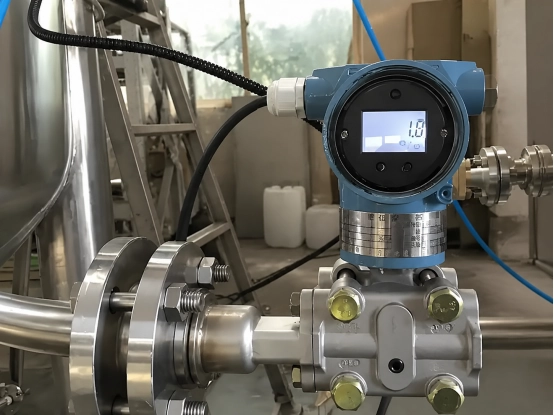
A Pressure Level Transmitter sits at the tank bottom, feeling the weight of the liquid column. It turns that pressure into an electrical signal, often 4-20 mA. Height equals pressure divided by density and gravity. Simple math, but it works every time. The device ignores surface ripples. Continuous output straight to the control room,no moving parts means fewer breakdowns problem.
Handling Pressure and Temperature Variations
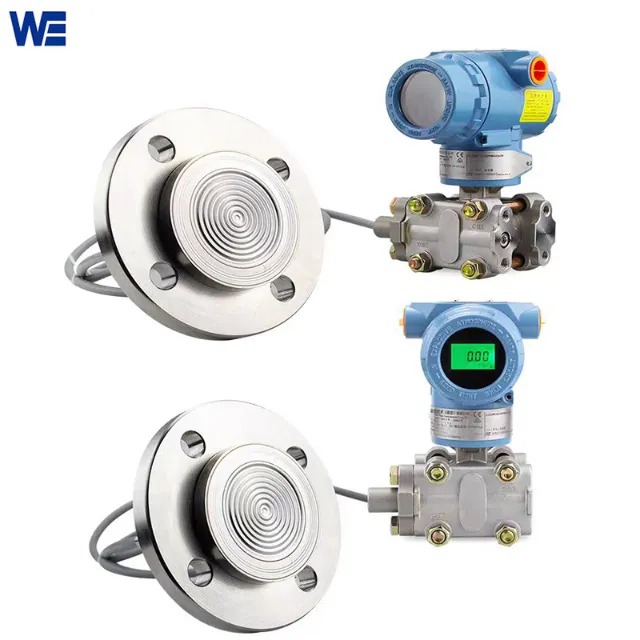
Built in sensors track temperature alongside pressure. Algorithms adjust for expansion in hot steam. Differential pressure level transmitter models subtract the vapor head automatically. Capillary level transmitter options use flexible tubes filled with oil to relay pressure far away. This keeps electronics cool. Accuracy keeps within 0.1% even at 200°C.
Design Considerations for Steam Top Applications
Choosing the Right Diaphragm and Material
Diaphragm Seal Level Transmitter designs protect the sensor from harsh media. Stainless steel handles most steam, but Hastelloy fights acid vapors better. Thickness matters for high pressure. Coatings add extra life in salty conditions. Pick wrong, and corrosion eats through in weeks. Test samples in the lab first. Material certificates prove compatibility. Longevity cuts replacement costs down the line.
Installation Orientation and Sealing Practices
Mount the pressure level transmitter below the lowest level point. Slope impulse lines to drain condensate. Add cooling fins if steam hits 150°C direct. Remote seals with capillaries avoid hot spots altogether. Tighten flanges with the right torque. Gaskets must match the fluid. A drip leg catches water before it reaches the sensor. Proper setup prevents most errors from day one.
Reference Compensation for Vapor Pressure
One leg of a Differential Pressure Level Transmitter connects to the tank top. The other stays at the bottom. Subtract top from bottom, and vapor cancels out. Dry reference lines work best with nitrogen purge. Wet legs need filling fluid that matches density. This trick gives pure liquid height. No guesswork involved. Even blanketed tanks read true.
Key Benefits of Using Pressure Level Transmitters
Reliable Performance Under Pressure
Foam layers fool ultrasonics, but pressure level transmitters cut through. Vapor blankets do not shift the bottom reading. High pressure seals hold firm. Output stays linear from empty to full. Alarms trigger on real changes only. Plants run shifts without babysitting the gauge. Reliability shines in 24/7 operations.
Low Maintenance and Long Service Life
Seal the unit once, and it runs for years. No batteries to swap. Clean impulse lines yearly, that is it. Rugged housings shrug off splashes. Remote mounts keep techs safe from heights. Calibration drifts less than 0.5% annually, downtime drops, profits rise, thus ,simple design beats complex alternatives hands down.
Compatibility with Control Systems
Standard 4-20 mA loops plug into any PLC. HART protocol adds diagnostics. Wireless options cut cable runs. DCS screens show trends live. Integrate with SCADA for plant wide views. Scaling adjusts in software. Upgrades happen without rewiring. Control loops close tight.
Actual Applications and Industry Example Case
Chemical & Petrochemical Tanks
Reactors need exact acid levels to avoid runaway reactions. Pressure level transmitters handle toluene vapors at 180°C. Diaphragm seal level transmitter setups resist solvents. Overfill prevention ties to emergency shutdown. One plant saved a million in cleanup after a switch. Accuracy prevents mixing errors too.
Food and Beverage Storage Systems
Pasteurization tanks steam clean between batches. Capillary Level Transmitter models stay sanitary with tri-clamp seals. Milk fat foams heavy, but bottom pressure reads true. CIP cycles do not faze the sensor. Hygienic certifications meet FDA rules. Breweries track wort levels precisely for consistent beer.
Water Treatment and Boiler Systems
Feedwater tanks supply boilers under pressure. Differential pressure level transmitter units monitor condensate return. Low levels trip pumps before dry firing. Scale buildup gets flushed during blowdown. Efficiency jumps 2% with tight control. Safety valves stay ready. At this point, Wepower solutions are often chosen for their temperature resistant construction and stable signal transmission in such harsh conditions.
Installation and Calibration Tips
Pre-Installation Checklist
Match pressure range to max head plus vapor. Pick wetted parts for the fluid pH. Shield cables from EMI in motor rooms. Test fill fluid for freezing in winter. Mount brackets sturdy against vibration. Double check thread sizes. A missed step costs a day of rework.
Zero and Span Adjustment in the Field
Empty the tank for zero. Fill to known marks for span. Use a hand pump on test ports. Adjust via push buttons or HART communicator. Account for mounting height offset. Recheck after temperature stabilizes. Small tweaks fix odd tank shapes like cones. Wepower service teams often assist end users with on site calibration and training, improving long term system reliability.
Selecting the Right Transmitter Model
Key Selection Parameters
List max temperature, pressure rating, and output needs first. Check turndown for wide level swings. Explosion proof ratings suit hazardous areas. Response time matters in fast filling tanks. Digital protocols like Profibus add value. Balance cost against features. Specs guide the pick.
Customization for Extreme Conditions
Extend capillaries for hot tops. Add tantalum diaphragms for chlorine. Dual seals handle vacuum swings. Custom flanges match legacy nozzles. Cooling extensions drop process heat. Tailored units last longer in tough spots. Wepower offers customization options to ensure each pressure level transmitter fits the exact industrial environment and measurement goal.
Conclusion
Pressure level transmitters offer reliable solutions for monitoring steam top liquid tanks, where temperature and vapor pressure often disrupt other sensing technologies. Through understanding installation tips and compensation methods, engineers can ensure accurate and consistent measuring in even the most demanding environments. With advanced design and stable performance, these level instruments continue to be an essential part for modern industrial process control.
FAQ
Q: What is the difference between common pressure level transmitter and differential pressure level transmitter?
A: Standard measures absolute bottom pressure. Differential subtracts vapor pressure via a top reference for true liquid height in sealed tanks.
Q: Can capillary level transmitters handle high temperatures?
A: Yes, filled capillaries transmit pressure while keeping electronics cool, often up to 400°C at the process end.
Q: How does a diaphragm seal level transmitter prevent media contact?
A: The seal isolates the sensor with a flexible metal barrier and fill fluid, protecting from corrosion or clogging.
Q: Do these transmitters need frequent recalibration in steam top tanks?
A: No, stable designs drift less than 0.5% per year, but check annually for condensate buildup.
Q: Are pressure level transmitters suitable for foamy liquids?
A: Absolutely, they measure bottom hydrostatic pressure, ignoring foam on the surface.