- Have any questions?
- +86 15953537010
- admin@wepower-electronic.com

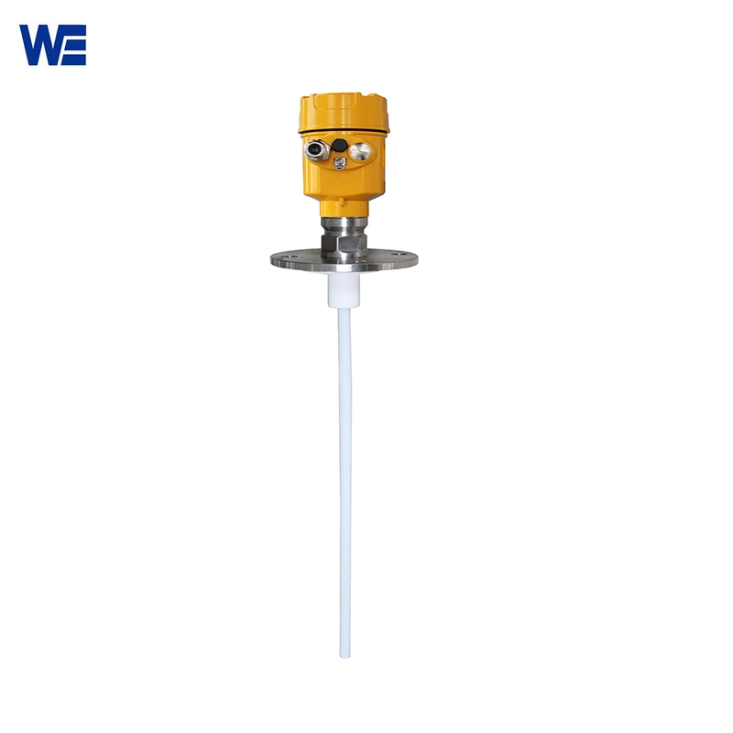
Acidic/alkaline, and corrosive chemical storage tanks usually need the transmitters that can handle corrosive medium, vapor, and tough conditions without losing accuracy. The right choice depends on the chemical itself, the tank design, and whether you need continuous level measurement, level point alarms, or both of them.
Why Corrosive Chemical Tanks Need Specialized Level Measurement
Not every level sensor belongs in an acid tank. That may seem apparent, yet in actual projects, it is still disregarded. In caustic solutions, sulfuric acid, hydrochloric acid, or other harsh chemicals, a sensor that functions well in water service may malfunction early.
Corrosive media create a few problems at the same time. Wetted parts may degrade. Vapors can affect signal performance. Foam, condensation, and buildup can make readings less stable than expected.
What Matters Most Before Choosing a Sensor
Before comparing sensor types, it helps to narrow the decision around a few practical factors. This saves time and avoids the usual trap of choosing by price first.
- Chemical compatibility of wetted materials and seals
- Contact or non-contact measurement
- Presence of vapor, foam, agitation, or buildup
- Required output, accuracy, and measuring range
- Installation space and maintenance access
A small detail can change the best choice. For example, a non-contact sensor may look ideal on paper, but if the tank nozzle is narrow and internal obstructions are heavy, another option may give a cleaner signal. That kind of thing happens more often than sales brochures suggest.
Top Sensor Types for Acid and Corrosive Chemical Storage Tanks
Several sensor technologies can work well in corrosive applications. The trick is not to ask which one is best in general. The better question is which one is best for this tank, this medium, and this operating condition.
Radar Level Transmitters
Radar level transmitters are often the top choice for corrosive liquid tanks, especially when non-contact measurement is preferred.
They work by sending microwave signals from the top of the tank and measuring the return signal from the liquid surface. Because the sensor does not usually touch the liquid in non-contact designs, the risk from aggressive chemicals is lower. That alone makes radar very attractive for acid storage.
Radar is commonly a strong option when the tank has:
- Corrosive or hazardous liquids
- Vapor or fumes
- A closed top
- A need for stable continuous level output
Another plus is maintenance. In many applications, radar systems need less routine attention than contact-based instruments. That matters. Most plants do not want level devices that become monthly projects.
Still, radar is not magic. Very heavy foam, poor mounting position, or strong internal obstructions can complicate signal performance. Installation details matter more than people sometimes think.
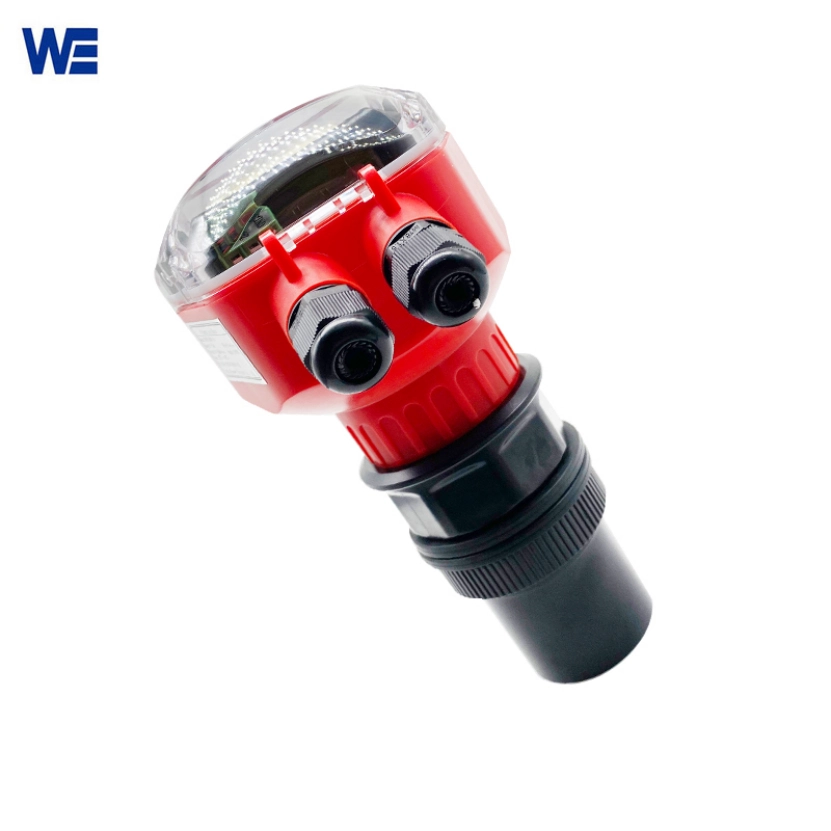
Ultrasonic Water Level Meters
Ultrasonic level meters are another non-contact option, and they are often considered for corrosive tanks when budget is tighter.
They measure level by using sound waves rather than microwaves. For open or lightly enclosed tanks with moderate conditions, ultrasonic instruments can perform well and remain cost-effective.
They are often chosen for:
- Basic tank level monitoring
- Less demanding chemical service
- Applications where non-contact is needed at lower cost
That said, ultrasonic sensors are more sensitive to environmental effects. Vapor, temperature shifts, turbulence, and foam can reduce performance. In chemical storage, those issues are not rare. So while ultrasonic can absolutely work, it is usually better suited to cleaner, less complex tank conditions.
This is one of those cases where cheaper upfront is not always cheaper later.
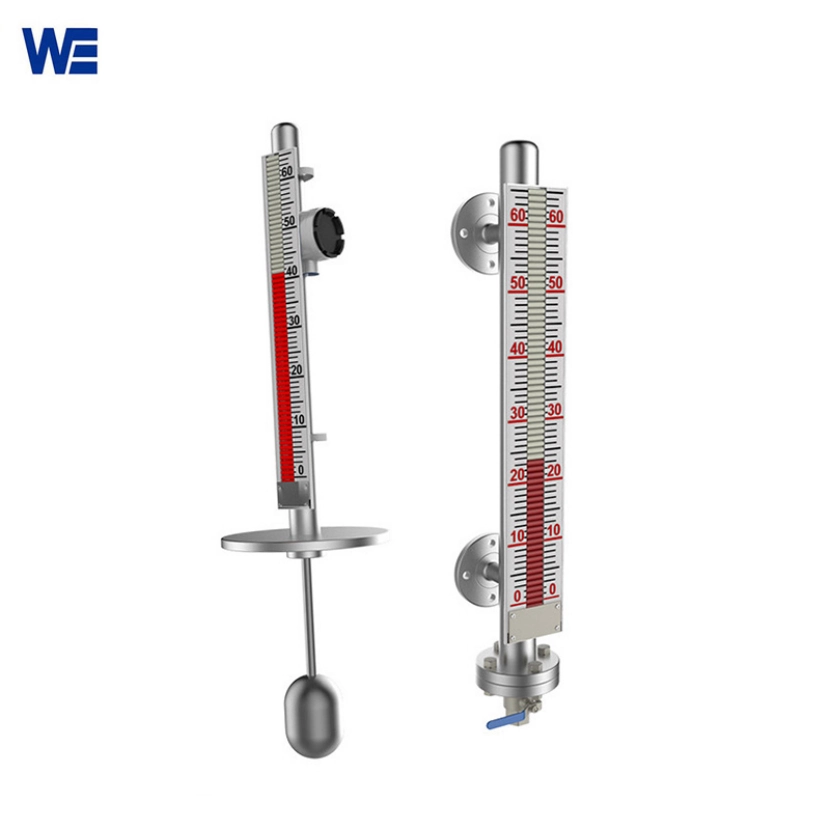
Magnetic Level Indicators
Magnetic level indicators are a familiar solution in many industrial plants. They are valued for local visual indication and simple field readability.
In chemical service, they are often used when operators want an immediate visible level reference on the side of the tank. Some designs can also be paired with remote transmitters or switches for signal output.
They are useful when the application needs:
- Clear local indication
- Rugged field visibility
- Integration with additional alarm or transmitter functions
Their suitability depends heavily on construction materials and process compatibility. For some corrosive liquids, they can work well. For others, the design requirements become more demanding. So they are not universal, but they still have a solid place in many storage installations.
Level Switches for High and Low Alarms
Continuous level measurement is only part of the story. Many acid and chemical tanks also need point level protection.
That is where level switches come in. High-level alarms can help prevent overflow. Low-level alarms can protect pumps or indicate critical process conditions. In some systems, the switch is just as important as the transmitter.
Depending on the medium and tank conditions, users may consider different switch types such as vibration fork, RF admittance, vibating rod, rotary paddle, or float designs. Material compatibility remains essential here too, of course.
Quick Comparison of Common Options
| Sensor Type | Contact with Medium | Good for Corrosive Tanks | Main Strength | Main Limitation |
| Radar Level Transmitter | No | Yes | Non-contact, stable, low maintenance | Needs proper mounting |
| Ultrasonic Level Meter | No | Sometimes | Cost-effective non-contact option | Vapor and foam can affect reading |
| Magnetic Level Indicator | Yes | Sometimes | Clear local indication | Material selection is critical |
| Level Switch | Usually Yes | Yes, if compatible | Reliable high or low alarm | Not a full continuous solution |
If a project involves aggressive acids, strong fumes, or sealed tanks, radar often moves to the top of the list pretty quickly.
Common Mistakes that Cause Trouble Later
One common mistake is focusing too much on the sensor body itself and too little on the wetted parts, gaskets, and seals. The failure point is not always where people first look.
Another is assuming that one sensor technology will cover every chemical application. It will not. Nitric acid, caustic soda, ferric chloride, and mixed process chemicals may create very different demands.
And then there is the issue of tank conditions. Engineers sometimes specify around the medium but forget the environment above it. Vapors, condensation, foam, and mounting geometry can affect performance just as much as the liquid itself.
Choosing the Right Solution to the Application
In fact, the best sensor is the one that balances safety, compatibility, reliability, and maintainability.
For many corrosive chemical storage tanks, non-contact radar is a strong first recommendation because it doesn’t come into contact with aggressive media and handles demanding industrial conditions well. Guided wave radar may be better in selected vessels where a guided signal is useful. Ultrasonic can make sense for simpler or more budget-sensitive jobs. Magnetic level indicators remain useful where local visual indication matters. And level switches should not be ignored when overfill or low-level protection is required.
Wepower Electronic offers level measurement products across several of these categories, including radar level transmitters, guided wave radar, ultrasonic level meters, magnetic level indicators, and multiple level switch types. That gives buyers more room to match the instrument to the real tank conditions instead of forcing one design into every application.
Final Thoughts
Acid and corrosive chemical tanks are not the place for guesswork. A level sensor that survives the medium, fits the vessel, and stays readable under real plant conditions will almost always save money over time.
If you are comparing options for a chemical storage project, Wepower Electronic can support level measurement selection with product choices for continuous monitoring and point level protection, along with quote-based discussion for specific tank conditions.
FAQ
Q1: What is the best level sensor for an acid tank?
In many cases, a non-contact radar level transmitter is one of the best choices for acid tanks because it doesn’t contact with the corrosive media directly.
Q2: Whether the GWR safe for corrosive liquids?
It is possible, but only if the seals and probe material are completely compatible with the working and chemical conditions.
Q3: Do corrosive tanks need both a transmitter and a level switch?
Often yes. A transmitter handles continuous measurement, while a level switch provides high or low alarm protection.
Q4: How do I choose a level sensor for a chemical storage tank?
Start with chemical compatibility, then check tank structure, process conditions, output needs, and whether non-contact measurement is preferred.