- Have any questions?
- +86 15953537010
- admin@wepower-electronic.com

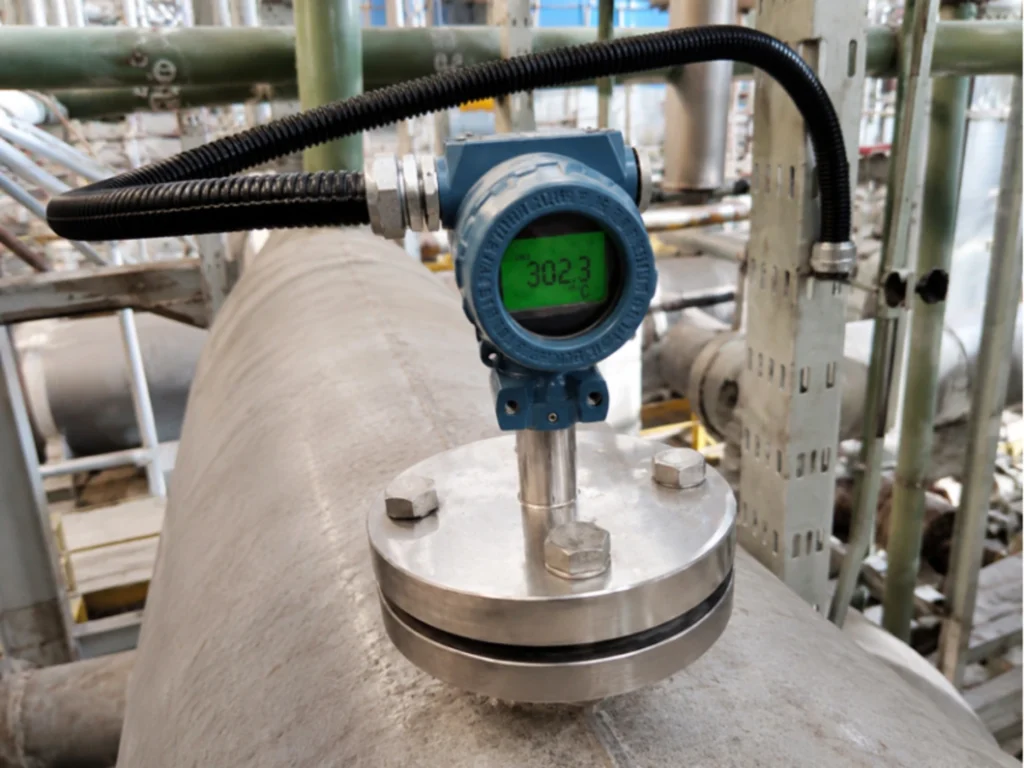
Industrial systems often push their instruments to the limit. Yet, when temperature rises beyond a certain threshold, even the most reliable standard pressure transmitter begins to struggle. The reason is simple: heat changes everything—materials, signals and stability.
Why Can’t Standard Pressure Transmitters Be Used in High Temperature Applications?
Standard transmitters are built for moderate process conditions. The internal electronics and sealing materials of the pressure transmitters are not designed to withstand extreme thermal stress. If exposed to high temperatures, components of the transmitters degrade quickly. The insulation on wiring may crack; seals lose elasticity; sensor circuits drift out of calibration.
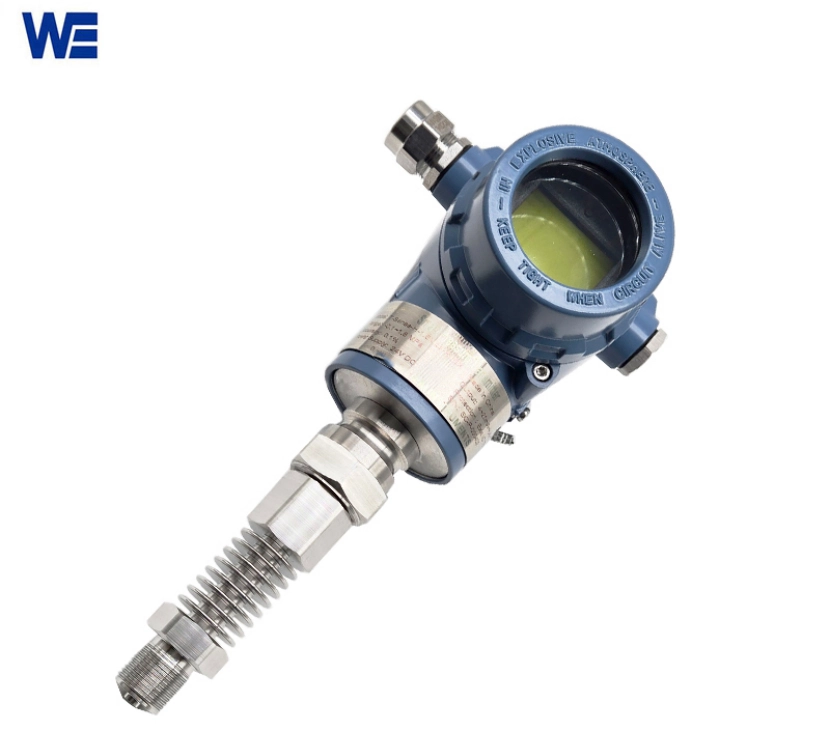
A high temperature pressure transmitter solves this by structural design. High temperature pressure transmitter is designed for the measuring medium temperature higher than 85 degree, the cooling fin structure can isolate the high temperature influence to the sensor diaphragm and the circuit boards to prolong the lifespan of the transmitter. This isolation between heat source and sensing core makes a decisive difference in performance longevity.
Every pressure transmitter has a defined operating range dictated by its materials and design. A typical industrial model might operate safely between –25 °C and 85 °C. Beyond that, accuracy drops sharply or internal damage occurs.
Some processes — steam systems, furnaces, or chemical reactors — easily exceed these limits. In these situations, choose the standard high temperature type if the working temperature is below 350 °C; If the temperature is >350℃, the best solution is to equip the unit with a cooling jacket/condenser bend. That small distinction determines whether measurement stays reliable or fails under thermal load. That small distinction determines whether measurement stays reliable or fails under thermal load.
What Problems Can High Temperatures Cause?
Temperature Drift
At elevated temperatures, metals expand and resistors change value. This alters signal output even when actual pressure remains constant. Drift forces operators to recalibrate frequently or accept growing uncertainty in readings.
Zero Point Drift
Even without applied pressure, internal expansion shifts the reference point of measurement. A transmitter might show a false offset at zero load — an invisible error unless carefully verified against known standards.
Diaphragm Damage
The diaphragm is both shield and sensing surface. Metal diaphragms soften or somewhat deform when exposed to extended heat. Sensitivity drastically decreases and sealing integrity deteriorates after elasticity is compromised. A few degrees over limit for several weeks can ruin an otherwise precise device.
Fill Fluid Expansion
In oil filled transmitters, fill fluid behaves predictably under heat: it expands. If there’s no compensating volume space, internal stress builds up against sensor walls or diaphragms. Eventually readings distort or seals rupture altogether. Proper compensation systems or remote mounting prevent such failures.
How to Choose the Suitable High Temperature Type Pressure Transmitter
Selecting the pressure transmitters for hot environments requires more than matching pressure range; it demands awareness of both media and ambient conditions.
Start with understanding maximum process temperature and medium type — gas, vapor, or liquid — since each interacts differently with heat transfer paths. Then select diaphragm materials appropriately: Hastelloy C for corrosive gasses or stainless steel 316L for general use are typical choices.To accommodate various working conditions, exotic materials including tantalum, titanium, and monel are also available. Whereas less expensive metals would deteriorate under stress, these alloys preserve structural integrity.
Accessories also matter.
- Diaphragm seals isolate sensors from direct contact with hot media;
- Capillary tubes relocate electronics away from heat zones;
- Cooling fins dissipate excess energy before it reaches sensitive components.
Modern transmitters integrate thermal compensation circuits that stabilize output across varying temperatures — essential where process cycles alternate between heating and cooling phases within minutes.
When Is the Diaphragm Seal Needed?
When performance or safety is at risk due to direct contact between the process medium and sensor, a diaphragm seal is required. It transmits pressure through fill fluid with little loss of integrity while serving as a physical barrier.
In steam pipelines or chemical reactors where temperatures soar above safe limits for electronics, seals prevent overheating while maintaining accurate response. They’re equally useful in sanitary applications requiring frequent cleaning because they eliminate dead zones where residue could accumulate.
Typical installations pair seals with capillary extensions so that only the seal body faces extreme conditions while the main transmitter stays cooler upstream.
When Is a Siphon Tube Required?
Steam service presents another challenge: vapor condensation inside lines can carry enormous thermal energy toward sensors. A siphon tube — essentially a looped pipe section — traps condensate that forms an insulating buffer between hot steam and instrument body.
Proper installation angle ensures condensate stays in place rather than draining away or blocking flow entirely. In power plants where boiler pressures fluctuate rapidly, this simple device prevents costly electronic burnout from direct steam impact.
When Is a Capillary Tube Required?
Capillary tubes extend flexibility further by allowing remote mounting of transmitters several meters away from heat sources. The fill fluid inside transmits pressure accurately while keeping electronic modules cool and accessible for maintenance.
This setup reduces thermal load on circuits and improves long term stability because ambient conditions near control panels remain far more consistent than those beside reactors or turbines.
In many refineries and food processing lines, operators prefer this configuration not just for protection but also convenience — calibration checks can be done without entering hazardous zones.
Conclusion
Every solution—from siphon tubes and capillary systems to cooling fins and diaphragm seals—helps shield the sensor element from heat stress while preserving steady and precise pressure measurements. Selecting a specialized high temperature pressure transmitter is crucial for long-term dependability and safety in processes requiring steam, reactors, furnaces, or corrosive high heat media.
Contact Wepower Electronic today to discuss your high temperature pressure measurement requirements and find a reliable solution for your application.
FAQ
Q: What’s The Max Medium Temperature A High Temperature Pressure Transmitter Can Operate?
If the medium temperature is ≤ 350 ℃, select the regular high temperature model; if it is > 350 ℃, a cooling sleeve / condensation bend must be equipped.
Q: Which materials are recommended for corrosive or high heat media?
Stainless steel 316L or SS316 gold-plated diphragm, and Hastelloy C provide excellent resistance to corrosion and maintain mechanical strength under elevated temperatures. For extremely special operating conditions, we also offer a wide range of matching diaphragm materials.
Q: How does cooling fin structure help protect sensors?
The cooling fin structure can isolate the high temperature influence to the sensor diaphragm and the circuit boards to prolong the lifespan of the transmitter.