- Have any questions?
- +86 15953537010
- admin@wepower-electronic.com


1)Overview of Differential Pressure Measurement
The Importance of Accurate Differential Pressure Measurement
Differential pressure measuring is very important in many industries that it can keep systems safe and running smoothly. By checking the pressure difference between two spots, it helps control processes. This stops equipment from breaking. It also prevents dangerous accidents. Wrong measuring can cause big safety problems, like machines failing or costly shutdowns.
Common Applications of Differential Pressure Sensors
Differential pressure sensors are used in lots of places. They check liquid levels in tanks. They also help control flow in pipelines. In HVAC systems, they monitor how filters are doing. In the oil and gas industry, they spot leaks and keep pressures balanced. Plus, in chemical plants, they make sure reactive stuff mixes correctly. These pressure measurment sensors are handy for keeping systems in check across different fields.
2)Core Methods for Measuring Differential Pressure
Traditional Technic in Differential Pressure Measurement
People used simple tools like manometers to measure differential pressure long time ago. These use liquid to show pressure differences. But they’re not great for precise jobs. They get messed up by temperature changes or shaking. Diaphragm-based tools are a bit better. They use a bendy membrane that moves with pressure. Still, they don’t work well with modern digital systems. They’re just too basic for today’s needs.
Advanced Methods Utilizing Differential Pressure Transmitters
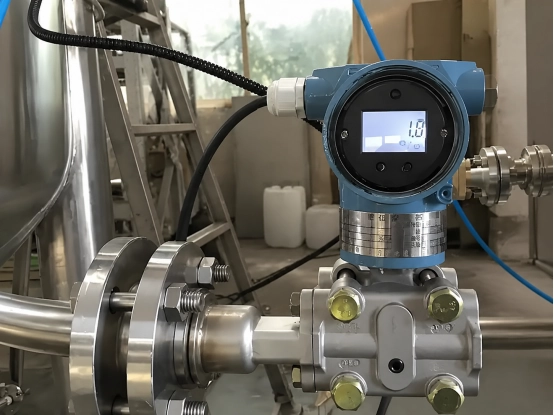
Newer tools, like digital differential pressure transmitters, are much better. They give clear, steady results. For example, the 3051TG/TA Series is a digital pressure transmitter made for tough jobs. It works for gauge pressure, absolute pressure, and vacuum. It updates fast, in just 90 ms. It has 0.1% accuracy and stays stable for two years at 0.15%. It’s also explosion-proof. You can tweak settings with a keypad. These presssure transmitters work with HART protocols, so they can fit easily into automated setups.
3)Instruments Used for Differential Pressure Measurement
The Role of Differential Pressure Transmitters For Industrial Applications
Differential pressure transmitters are key for controlling fluid flow in industries. The 3051 flat diaphragm seal transmitter is great for sticky stuff like chemical coatings or crude oil. Its design stops clogs during measurements. It’s used a lot in petroleum and metallurgy. It also supports flange setups with materials like stainless steel or Hastelloy C. These handle harsh, corrosive places well. This makes the transmitter a solid choice for tough jobs.
How Pressure Transducer Sensors Ensure Precision in Measurements
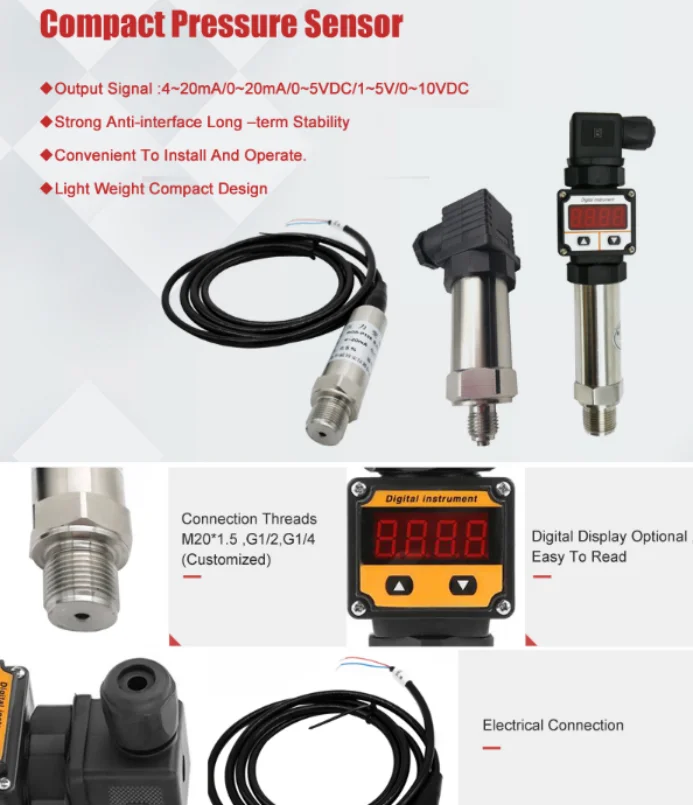
Pressure transducer sensors turn pressure into electrical signals, such as 4-20 mA. This lets you monitor things in real time. The 2088T pressure transmitter uses laser tech to keep its zero point steady, even with temperature changes. Its strong stainless steel body blocks interference. It gives super accurate results. This makes it perfect for tasks needing precise control, like in factories or automated systems.
4)Choosing the Right Tools for Accurate Measurement
Factors to Consider When Selecting the Best Pressure Transmitter
Picking the right differential pressure transmitter means looking at a few things. Check the temperature range it can handle. Make sure it works with the stuff you’re measuring, like liquids or gases. Think about how accurate you need it to be. Also, see if it works with systems like HART for communication. For example, the Smart Level Transmitter Model 3051LT series works from -40°C to +250°C. It keeps +/-0.1% span accuracy. The pressure and level measuring is reliable and stable, even in extreme conditions.
Comparing Different Types of Differential Pressure Sensors
Differential pressure sensors come in different types. Old-school mechanical ones are okay for simple tasks. But they’re not as precise as newer electronic models. The SP/2088 series, for instance, keeps track of fluid levels or steam pressure. It sends data to control systems. These modern sensors are way better for complex jobs. They give steady, accurate results. This helps keep processes running smoothly.
5)Challenges and Solutions in Differential Pressure Measurement
Common Issues Faced During Measurements
Measuring differential pressure can be tricky. Temperature changes can mess up readings. Sticky stuff, like mud, can clog sensors. Also, electrical noise can mess with signals from electronic transmitters. These problems can make measurements wrong. That’s bad for keeping systems safe and efficient.
Innovative Solutions with Modern Differential Pressure Transmitters
New transmitters fix these issues with cool features. Some have buttons for automatic zero tweaks. Others are explosion-proof for safety. They also use materials like PTFE-coated diaphragms to handle sticky or harsh stuff. Companies like Wepower Electronic Co., Ltd., make custom solutions for specific needs. Their products fit industries like oil, gas, chemicals , medicine and metallurgy perfectly.
Frequently Asked Questions (FAQ)
What is a differential pressure sensor?
A differential pressure sensor checks the pressure difference between two points. It helps monitor flow or spot blockages in a system.
How do I choose the right differential pressure transmitter?
Look at the medium, like liquid or gas. Check the accuracy you need, like +/-0.1%.,0.5% ,0.075% .See the temperature range, such as -40°C to +250°C. Make sure the diaphragm materials, like stainless steel or Hastelloy, match your setup. Also, check if it supports HART protocols.
Why are modern transmitters preferred over traditional methods?
Modern transmitters are more accurate, with 0.1%, 0.075% precision. They respond fast, in 90 ms. They stay stable for two years at 0.15%. They’re explosion-proof and work with digital systems. This makes them better than old tools like manometers.
Can these instruments handle viscous media?
Yes, models like the 3051LT pressure level transmitter with diaphragm seal stop clogs. They work well with sticky stuff like mud or asphalt.
Where can I learn more about Wepower Electronic’s products?
Contact Wepower Electronic Co., Ltd., in Yantai city since 2003. They offer 24/7 support for automated instruments from skilled staff.